
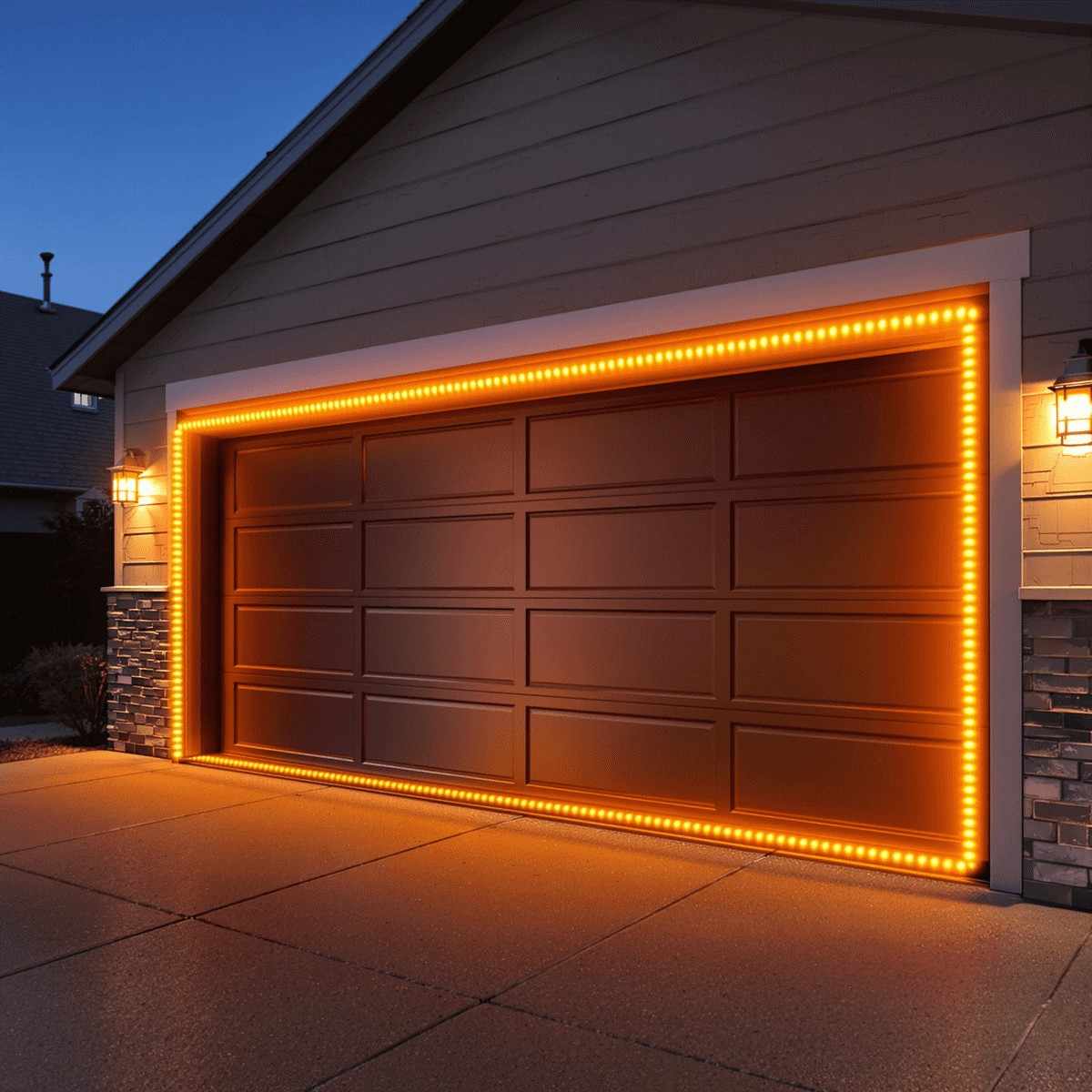
The insulation on your garage door is what keeps the heat in or out. It keeps your house cool in summer and warm in winter.
New garage doors are filled with materials that stop heat from coming out. This makes them more energy-efficient than older ones that lose heat.
If you get good insulation, you will save on energy costs, feel more comfortable, and if you sell the house, you will get more money for it.
1. Enhanced Energy Efficiency and Cost Savings
Your garage can’t just be cold or hot; insulated doors keep temperatures near the norm all year long by insulating against heat loss and gain. In wintertime, they keep warmth inside the garage by blocking off drafts and thin surface metal that might allow heat to escape. This makes it easier to keep things more comfortable in cold weather when outside things are chilly.
On hot summer days, insulated doors block hot air from coming in so there’s no excessive warmth trapped in the garage, which in turn helps your home also stay cool, as it would have too much heat from some other places around it. With stable temperatures throughout, heating/cooling systems work efficiently, thus leading to lower energy bills because of less frequent cycles.
Consistent temperature living for comfort purposes shows how furnace or air conditioner efficiency can be much improved. There are lower running costs owing to this cleaner way of working, only needing less adjusting but still offering optimal results.
Main areas to save are:
- Reduced heating costs in winter
- Less cooling expense in summer
- An extended HVAC lifespan is given less strain
- Minimized energy waste from fluctuations
People save roughly 10-20% per bill after getting insulated garage doors. This really helps in homes where garages are alongside living spaces or have sensitive items stored inside.
2. Consistent Indoor Comfort All Year Round
The garage is a buffer zone for your home’s inside temperature. Insulated doors block extremes and thus keep the garage cozy. Attached garages often have uninsulated doors, causing shifts in adjoining rooms’ temperature. Insulation stabilizes garage temps, thus also stabilizing those for living areas.
Prevent cold breezes during tough winters. Uninsulated doors let cold air flow into the garage, then into your house. Insulated doors have:
- Layers that stop cold air from getting inside
- Breaks so metal doesn’t pass on the cold
Keep your garage cooler during hot summers. Uninsulated doors soak up heat, warming up the garage that then heats adjacent spaces. Insulated doors:
- Reflect sunlight to keep the inside cool
- Ensure garages remain cool, making the home cooling system work less
- Make it more pleasant to work or store things in the garage
Your garage will be comfortable all year long, when taking things out, working on tasks, or going between the house and car.
3. Noise Reduction Benefits of Insulated Doors
A soundproof garage door design stops noise from entering your house through the garage. Insulation materials absorb the sound waves, thus shielding the house environment from external noise.
How Insulation Materials Affect Noise Reduction
Polyurethane foam insulation is dense and absorbs noise well, whilst polystyrene panels also reduce sound. These materials break up sound waves, thus decreasing noise levels that go through metal doors without insulation.
Benefits of Attached Garages
Houses with attached garages have less noise coming from outside. Insulated doors stop:
- Traffic noise from getting into your bedroom or living room.
- Garage doors make noise when opening and closing that can disturb people at home.
- Outside noise, like rain and wind, can come in through garage doors.
Insulated garage doors help reduce noise in the workshop by keeping sound inside and preventing outside noise from getting in.
You May Also Read: How to Future-Proof Your Garage for the Long Run
4. More Durable and Stronger Garage Doors
Insulation reinforces garage doors, making them stronger. The insulation fills the space inside the door panels, holding them together strongly.
Weather Resistant
Weather like rain and snow can damage garage doors without insulation. Insulated doors resist bending and cracking due to their rigidity from internal insulation material.
Longer-Lasting Hardware
The structural strength of garage door hardware is improved by insulation support inside the doors.
There are numerous advantages of insulated garage doors. The structure’s strength not only withstands harsh weather, but it also keeps the door correctly aligned and the parts in good condition. Doing so greatly extends the lifespan of the springs, tracks, and hinges.
Consequently, there is no bending or twisting of the panels, the tracks do not become unaligned, the hardware lasts longer, and there is less noise from running parts.
The Resulting Longevity
Garage doors built to last belong to the insulated category. The insulation inside the door prevents moisture from reaching the metal and eliminates rust-causing corrosion. With this protection, insulated types usually last 25-30% longer than non-insulated ones. So, if you want a dependable door that performs efficiently year after year, this is the right choice.
5. Safeguarding Your Garage Stuff from Temperature Changes
One of the main things you should do in your garage is to protect your belongings against changing temperatures. Controlling the heat is essential, especially for delicate items such as cars, tools, sports gear, and holiday decorations. Too much heat warps wooden parts, damages electric devices, or fades the paint on furniture. At low temperatures, liquids may freeze; plastics may crack, while metals may contract, hence becoming fragile.
How Insulated Overhead Doors Help
Overhead insulated doors, for example, create a controlled microenvironment that shields your things from harmful temperature variations. The insulation barrier makes sure that more constant internal temperature levels are maintained and prevents rapid cooling and heating cycles that stress materials, thus resulting in faster deterioration of them.
The Importance of Humidity Regulation
Humidity regulation is another key factor in protecting contents. Uninsulated garages are subjected to large and rapid changes in moisture content within the air due to extreme temperature changes during both the daytime and seasonal variations. High humidity fosters:
- Rust on metal tools and equipment
- Mold growth on fabric and leather items
- Warping of wooden furniture and sporting goods
- Corrosion of vehicle components
Insulated doors help stabilize humidity levels by reducing condensation formation and preventing outside air from coming in. This controlled environment protects stored items from moisture-related damage that can destroy valuable possessions over time.
Weather Protection Benefits
The weather protection offered by insulated doors extends past temperature and humidity control. The better seal created by insulated door systems stops dust, debris, and water from entering your storage spaces. This kind of barrier helps make sure that everything from classic cars to kids’ bicycles stays in good shape, preserving both function and worth for many years ahead.
Conclusion
The above benefits show that insulated doors are a good investment if you want to save on energy bills and be more comfortable at home. They help with energy efficiency and reduce noise, as well as protect your garage belongings. It’s a smart long-term choice.
You should think about your needs, climate, and budget before deciding on insulated doors. Choose quality ones that get installed by professionals. This way they work the best and last longest.
Trusted Garage Door Logan, Utah, provides good garage doors. We have years of experience. We do repairs, installations, and maintenance at fair prices. Having well-insulated doors put in correctly is important for energy savings and comfort.