
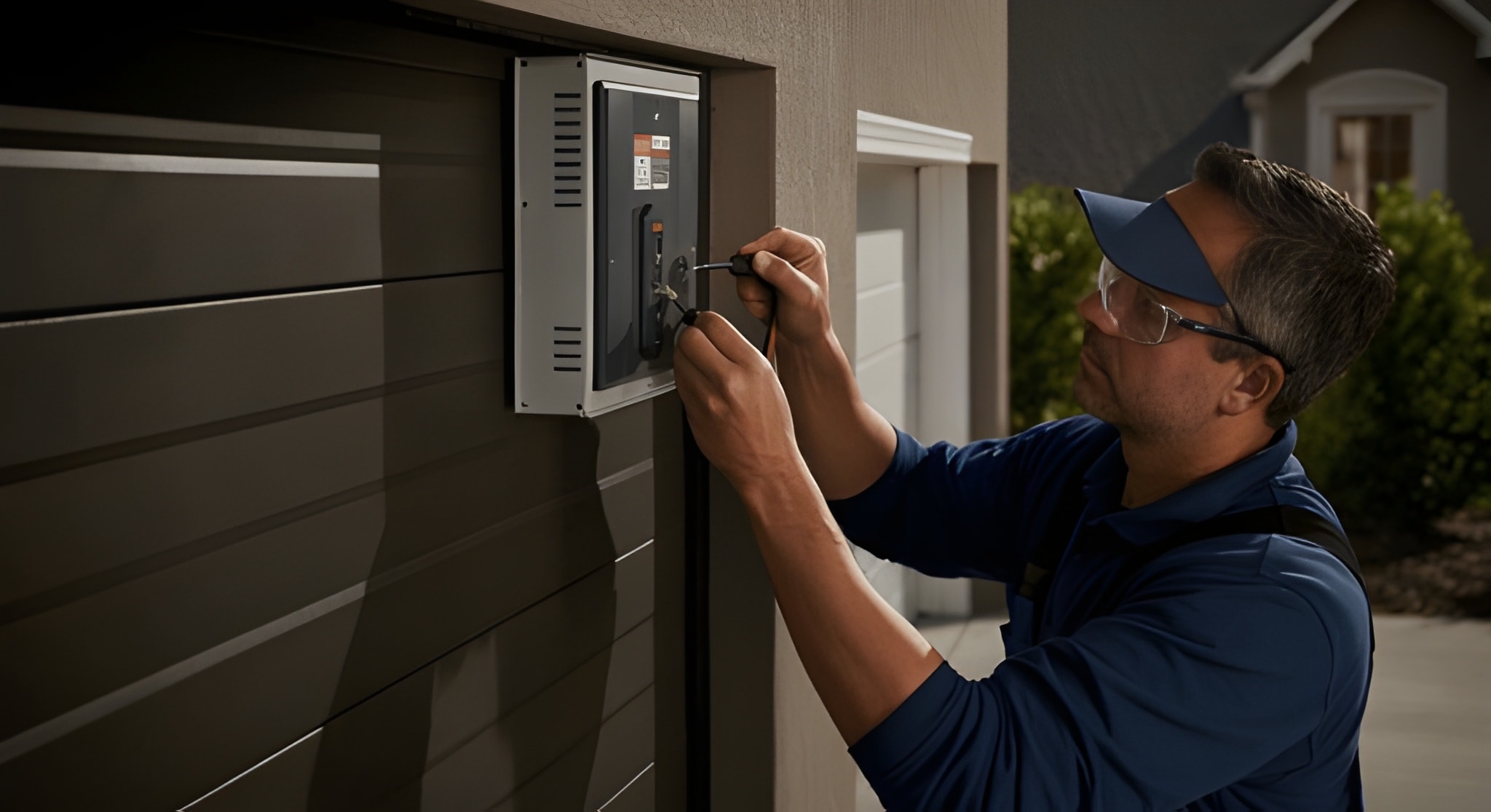
Your power goes out at the worst possible time. You’re stuck in the garage or worse—locked out with your car inside. According to the Energy Information Administration, the average U.S. home experiences 1.3 power outages annually, lasting an average of 7.5 hours each. That’s when you need a garage door opener battery backup system. This feature keeps your garage door working during blackouts, storms, and emergencies. You’ll discover how these systems work, which models perform best, installation requirements, and maintenance needs. Some backup systems last longer than others. Let’s break down everything you need to know about choosing and using battery backup for your garage door opener.
How Battery Backup Systems Work
A garage door opener battery backup activates automatically when your main power fails. The system switches from AC power to battery power instantly. You won’t even notice the transition.
The backup battery connects directly to your garage door opener. When the power goes out:
- The opener detects loss of AC power
- The system switches to battery mode within seconds
- Your door continues working normally
- An indicator light shows you’re running on backup
- When power returns, the system automatically recharges
Most systems provide enough power for 20-50 door cycles. One cycle equals opening and closing the door once. This means you can get in and out 10-25 times during an outage.
Battery capacity determines how many cycles you get. Larger batteries provide more cycles but cost more. Standard backup systems use 12-volt sealed lead-acid or lithium batteries.
The opener operates slightly slower on battery power. This conserves energy and extends the number of available cycles. You’ll notice the door moves at about 50-75% of normal speed.
Some advanced systems include smartphone alerts. They notify you when:
- Power has been lost
- The backup system activates
- Battery charge is running low
- Power has been restored
Built-In vs. Add-On Backup Options
You have two choices for garage door opener battery backup: built-in systems or add-on kits. Each option has pros and cons.
Built-in backup systems come integrated into newer opener models. Major brands like LiftMaster, Chamberlain, and Genie offer models with factory-installed batteries.
Advantages of built-in systems:
- Seamless integration with opener controls
- Optimized battery placement and wiring
- Typically more reliable operation
- Covered under manufacturer warranty
- Cleaner installation appearance
- Often include smart features
Disadvantages of built-in systems:
- Requires buying a new opener
- Higher initial investment ($300-600)
- Can’t retrofit to existing openers
- Limited to specific brands and models
Add-on battery backup kits work with compatible existing openers. You purchase the battery module separately and install it on your current system.
Advantages of add-on kits:
- Keep your existing opener
- Lower cost than full replacement ($150-250)
- Available for many opener brands
- DIY installation possible
- Upgradeable as technology improves
Disadvantages of add-on kits:
- Not compatible with all opener models
- May void some opener warranties
- Installation can be tricky
- Less integrated appearance
- Fewer smart features
Check your opener’s model number before buying an add-on kit. Not all openers support battery backup additions. Most openers made after 2010 have backup capability, but always verify compatibility.
Battery Types and Expected Lifespan
The battery itself is the heart of your garage door opener battery backup system. Different battery types offer different performance characteristics.
| Battery Type | Lifespan | Cycles per Charge | Maintenance | Cost |
|---|---|---|---|---|
| Lead-Acid | 3-5 years | 20-30 cycles | Low | $50-100 |
| Lithium-Ion | 5-7 years | 40-50 cycles | None | $100-200 |
| NiMH | 4-6 years | 25-35 cycles | Low | $75-150 |
Sealed lead-acid batteries are the most common. They’re affordable, reliable, and work well in most climates. These batteries need replacing every 3-5 years, depending on usage.
Lithium-ion batteries perform better and last longer. They’re lighter, provide more cycles per charge, and handle temperature extremes better. The higher upfront cost pays off through extended lifespan.
Nickel-metal hydride (NiMH) batteries fall somewhere in between. They offer decent performance at moderate cost. Less common than the other two types.
Battery lifespan depends on several factors:
- Frequency of power outages in your area
- How often you test the backup system
- Garage temperature extremes
- Quality of the battery itself
- Proper maintenance and care
Most manufacturers recommend replacing batteries every 3-4 years regardless of performance. Batteries degrade over time even without heavy use.
Temperature affects battery performance. Extreme cold reduces available cycles. Extreme heat shortens overall lifespan. If your garage isn’t climate-controlled, this matters.
Installation Process and Requirements
Installing a garage door opener battery backup varies by system type. Built-in systems are already installed. Add-on kits require some work.
For add-on battery backup kits:
You’ll need basic tools:
- Screwdriver (Phillips and flathead)
- Wire strippers
- Drill with bits (sometimes)
- Ladder
- Work gloves
Installation steps:
- Turn off power to the garage door opener at the breaker
- Remove the opener’s cover panel
- Locate the battery backup connection port
- Mount the battery bracket near the opener
- Connect the battery cables to the opener
- Secure all wiring away from moving parts
- Replace the opener cover
- Restore power and test the system
Installation takes 30-60 minutes for someone comfortable with basic electrical work. If you’re not confident, hire a professional. Improper installation can damage your opener or create safety hazards.
Professional installation costs:
- Service call fee: $75-150
- Labor: $50-100
- Total: $125-250
Some homeowners choose professional installation for peace of mind. Technicians ensure proper connection, test the system thoroughly, and can spot potential issues with your opener.
After installation, charge the battery fully before first use. This usually takes 24-48 hours. Don’t test the backup system until the battery reaches full charge.
Testing and Maintenance Guidelines
Your garage door opener battery backup needs regular testing and maintenance. Don’t wait for an actual power outage to discover problems.
Monthly testing procedure:
- Unplug the opener from the wall outlet (or flip the breaker)
- Press the wall button or remote to open the door
- Verify the door opens on battery power
- Close the door using battery power
- Plug the opener back in (or restore breaker)
- Confirm the charging indicator lights up
This monthly test keeps the battery active and confirms the system works. It takes less than five minutes.
Some openers include a test button that simulates power loss. This is easier than unplugging the unit each time.
Annual maintenance tasks:
- Clean battery terminals with a wire brush
- Check all wiring connections for looseness
- Inspect battery for corrosion or swelling
- Verify charging indicator functions properly
- Test for at least 20 door cycles on backup
- Document battery installation date
Keep records of your battery installation date. Set a reminder to replace it after 3-4 years. Many people forget and end up with a dead backup when they need it most.
Warning signs your battery needs replacement:
- Backup provides fewer than 10 cycles
- Charging takes longer than normal
- Battery case appears swollen or damaged
- Corrosion around terminals
- Backup system won’t activate during tests
- Strange smells coming from battery
Replace batteries immediately if you notice these issues. A failing battery won’t help during an actual power outage.
For more information on home backup power systems, check out the Federal Emergency Management Agency’s power outage guide.
Top Models with Backup Features
Several manufacturers make excellent openers with garage door opener battery backup systems. Here are the top options available in the U.S. market.
LiftMaster 87504-267 (Belt Drive)
- Built-in battery backup
- MyQ smart home connectivity
- Extremely quiet operation
- 30+ backup cycles
- Price: $400-500
- Best for: Tech-savvy homeowners wanting smart features
Chamberlain B970 (Belt Drive)
- Integrated battery backup
- Battery status LED indicator
- Ultra-quiet belt system
- 25+ backup cycles
- Price: $350-450
- Best for: Families prioritizing quiet operation
Genie QuietLift Connect 7155L (Belt Drive)
- Battery backup ready (add-on available)
- Smartphone control
- Strong motor (1.25 HP)
- Reliable performance
- Price: $300-400 (opener) + $150-200 (battery kit)
- Best for: Those wanting upgradeability
Overhead Door Destiny 1500 (Chain Drive)
- Built-in backup battery
- Commercial-grade reliability
- Works with heavy doors
- 20+ backup cycles
- Price: $450-550
- Best for: Heavy or oversized garage doors
Sommer Direct Drive (Cable Drive)
- Battery backup included
- Unique cable drive system
- Very quiet operation
- German engineering
- Price: $500-600
- Best for: Premium quality seekers
Most modern openers from major brands support battery backup either built-in or via add-on kits. Stick with established brands for reliability and part availability.
Check the Consumer Product Safety Commission for any recalls or safety notices before purchasing.
Cost Analysis and Value Assessment
Let’s examine the real costs and benefits of garage door opener battery backup systems over time.
Initial investment:
New opener with built-in backup: $300-600 Add-on battery kit for existing opener: $150-250 Professional installation (if needed): $100-200
Ongoing costs:
Replacement battery every 3-4 years: $50-200 Electricity for charging: $2-5 annually Professional testing/maintenance (optional): $75-100
Five-year total cost estimate:
Built-in system: $450 (average) + $100 (new battery) = $550 Add-on system: $200 (average) + $100 (new battery) = $300
Value considerations beyond money:
Security during outages: Getting home safely matters. Not being trapped inside or locked out during emergencies is priceless for many homeowners.
Convenience factor: No need to manually lift heavy garage doors during power failures. This is especially important for people with physical limitations.
Property protection: You can close your garage door during storms even if power fails. This protects vehicles, tools, and belongings from weather damage.
Peace of mind: Knowing your garage door works regardless of power status reduces stress during severe weather events.
Home value: Battery backup is an attractive feature for home buyers. It won’t dramatically increase sale price, but it adds to your home’s appeal.
Who benefits most from battery backup:
- Homes in areas with frequent power outages
- Properties in storm-prone regions
- Families with elderly or disabled members
- Single-car driveways with no alternative entry
- Homes where the garage is the primary entrance
- Areas with extreme weather conditions
Who might skip battery backup:
- Homes with multiple entry points
- Areas with extremely reliable power
- Detached garages not used for vehicle storage
- Very tight budgets
- Renters who can’t modify systems
The decision comes down to your specific situation. If you experience several power outages yearly, backup pays for itself quickly through convenience and security.
Final Thoughts
A garage door opener battery backup provides peace of mind and practical benefits during power outages. You’ve learned how these systems work, what options exist, how to maintain them, and whether they’re worth the investment for your situation. The right backup system keeps you safe, protects your property, and eliminates the hassle of manual door operation during emergencies.
Ready to add reliable backup power to your garage door? TGDS4UT installs and services garage door opener battery backup systems throughout the United States. Our certified technicians help you choose the perfect solution for your needs and budget. Stop worrying about power outages leaving you stranded. Get professional installation that works right the first time. Visit TGDS4UT.com now for your free consultation and quote. We’ll evaluate your current opener, recommend the best backup option, and provide same-day installation in most areas. Don’t wait for the next blackout to wish you had backup power. Contact us today and stay prepared for anything.