
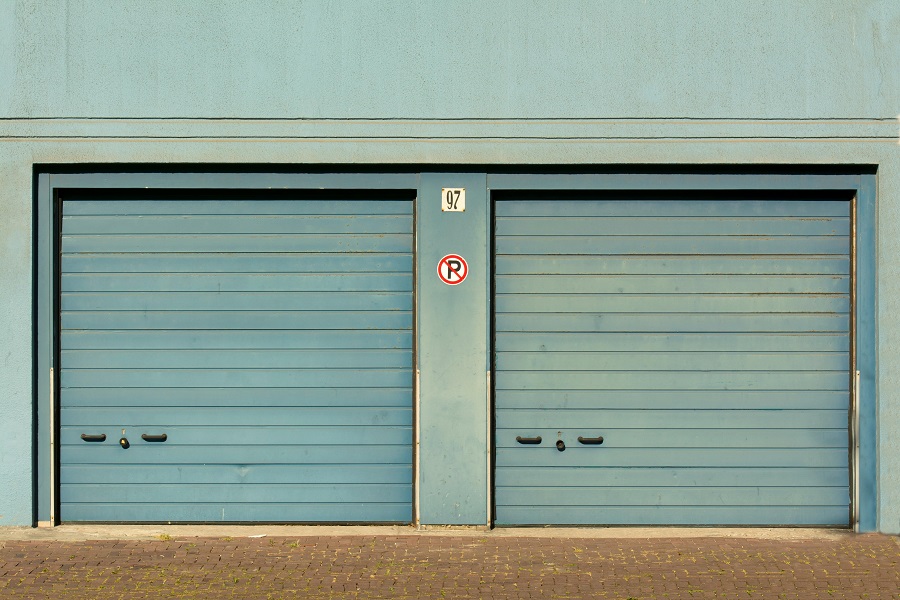
Your garage door opens and closes hundreds of times each year. Over time, it wears down. Knowing when to replace it can save you money, improve your home’s security, and boost curb appeal. Here are the clear signs telling you it’s time for a new garage door in 2026.
What Are the Signs You Need a New Garage Door?
Several clear indicators show when your garage door has reached the end of its useful life. Recognizing these signs early helps you avoid emergency repairs and safety hazards.
Frequent Repairs Drain Your Wallet
If you call a technician more than twice a year, replacement makes more financial sense than endless repairs. Each service call costs $150-300 on average. When springs break, cables snap, or sensors fail repeatedly, your door is telling you something.
Calculate what you spent on repairs over the past two years. If that number exceeds half the cost of a new door, you’re throwing money away. A new garage door installation ranges from $1,200-3,500 depending on material and size. That investment gives you 15-30 years of reliable service.
Modern doors come with warranties covering parts and labor. You’ll spend less time dealing with breakdowns and more time enjoying a door that works properly.
Loud Noises Signal Serious Problems
Garage doors make some sound during operation. That’s normal. But grinding, squealing, or banging noises mean something is wrong. These sounds usually indicate worn-out springs, damaged rollers, or misaligned tracks.
Springs last about 10,000 cycles. If you open your door four times daily, that’s roughly seven years of use. When springs wear out, they create loud popping or grinding sounds. Replacing individual springs costs $150-350 per spring.
Newer garage doors operate much more quietly. Manufacturers use improved materials and better engineering. If noise bothers you or your neighbors, a new door solves the problem permanently.
Sagging or Uneven Movement Looks Wrong
A properly balanced garage door stays in place when you open it halfway and let go. If it sags, drops, or looks crooked, the springs or tracks have issues. This problem affects both manual and automatic doors.
Test your door’s balance by disconnecting the opener and manually lifting it halfway. Does it stay put? If it falls or rises, the door is unbalanced. This puts extra strain on your opener motor and creates a safety risk.
Sagging panels indicate structural damage. Wood doors sag more than steel or aluminum models. Once panels warp or bend significantly, repairs won’t restore proper function. Replacement becomes necessary for safety.
Rising Energy Bills Cost You Money
Older garage doors lack proper insulation. This lets hot air in during summer and cold air in during winter. If your garage connects to your home, temperature changes affect your living space.
An uninsulated garage door has an R-value near zero. Modern insulated doors range from R-8 to R-18. Higher R-values mean better insulation. This keeps your garage more comfortable and reduces heating and cooling costs.
Check for gaps around your door’s edges. Light shining through means air is escaping. Weather stripping deteriorates over time. While you can replace seals, an old door with poor insulation still wastes energy.
The average homeowner saves $200-400 annually on energy costs after installing an insulated garage door. That savings adds up over the door’s 20-year lifespan.
Visible Damage Hurts Curb Appeal
Dents, cracks, rust, and peeling paint make your home look neglected. Your garage door covers roughly 30% of your home’s front facade. It’s one of the first things people notice.
Minor dents can sometimes be repaired. But extensive damage costs more to fix than replacing the entire door. Rust spreads and weakens metal. Once rust penetrates deep into steel panels, the structural integrity is compromised.
Real estate agents report that garage door replacement offers one of the highest returns on investment. A new door can boost home value by $10,000-15,000 while costing just $2,000-4,000 installed.
If you’re planning to sell your home within five years, a new garage door pays for itself. Even if you’re staying put, improved curb appeal makes you feel better about your property.
Outdated Security Features Leave You Vulnerable
Break-ins through garage doors happen frequently. Thieves know that many older doors lack modern security features. If your door doesn’t have rolling code technology, it’s vulnerable to code grabbing.
Modern openers use rolling codes that change with each use. This prevents criminals from copying your remote signal. Older fixed-code systems are easy to hack with simple tools available online.
Check whether your door has automatic reversal sensors. These sensors prevent the door from closing on people, pets, or objects. They became mandatory in 1993. If your door predates this requirement, it’s dangerously outdated.
New garage doors include reinforced locks, tamper-resistant brackets, and smart home integration. You can monitor your door’s status from your phone and receive alerts if someone opens it unexpectedly.
Age Alone Matters After 20-25 Years
Even if your garage door still works, age becomes a factor. Doors manufactured before 2000 lack modern safety features, insulation standards, and construction quality.
Average garage door lifespans by material:
| Material | Expected Lifespan | Maintenance Level |
| Steel | 20-30 years | Low |
| Aluminum | 20-30 years | Low |
| Wood | 15-20 years | High |
| Composite | 25-30 years | Low |
| Fiberglass | 20-25 years | Medium |
If your door is approaching or past its expected lifespan, start planning for replacement. Waiting for complete failure leaves you without garage access and facing emergency installation costs.
Proactive replacement lets you choose timing, compare contractors, and select the exact door you want at a price that fits your budget.
How Do You Choose the Right Replacement Door?
Selecting a new garage door involves more than picking something that looks nice. You need to match your home’s style, climate demands, and budget.
Material Selection Matters for Performance
Steel doors dominate the market with good reason. They combine durability, low maintenance, and affordability. Steel handles temperature extremes well and resists denting better than aluminum.
Aluminum works well for coastal areas where salt air causes rust. The lightweight material suits larger doors and contemporary designs. But aluminum dents easier than steel when struck by basketballs or bicycles.
Wood doors offer unmatched natural beauty. They suit traditional and upscale homes perfectly. The downside is maintenance. Wood requires regular painting or staining and doesn’t handle moisture well in humid climates.
Composite materials mimic wood’s appearance without the maintenance headaches. These doors resist moisture, don’t crack or warp, and need only occasional cleaning. They cost more upfront but save money over their lifetime.
Insulation Value Saves Energy
R-value measures insulation effectiveness. Higher numbers mean better insulation. If your garage shares a wall with your home or you use the space as a workshop, insulation matters.
Uninsulated doors work fine for detached garages in mild climates. They cost $200-400 less than insulated versions. But in areas with temperature extremes, that savings gets eaten by higher utility bills.
Single-layer doors have no insulation. Two-layer doors add insulation between two steel panels. Three-layer doors sandwich insulation between steel with a vinyl or steel backing. Three-layer construction offers the best insulation and durability.
Calculate your climate needs. Homes in northern states benefit most from high R-values. Southern climates see smaller returns on insulation investment but still gain from reduced heat transfer.
Style Choices Affect Home Value
Your door should complement your home’s architecture. A carriage house style door looks odd on a modern minimalist home. A sleek contemporary door clashes with a traditional colonial.
Popular styles in 2026:
- Traditional raised panel: Classic design that suits most homes
- Modern flush panel: Clean lines for contemporary architecture
- Carriage house: Old-world charm with modern function
- Full-view glass: Perfect for modern homes and natural light
- Contemporary: Horizontal panels and bold hardware
Windows add natural light and visual interest. They come in various shapes and configurations. Consider privacy and insulation when choosing window placement.
Color matters more than you might think. Neutral colors like white, beige, and gray suit any home. Bold colors make statements but may limit appeal if you sell. Most manufacturers offer 15-30 standard colors.
Custom colors and finishes cost extra. Wood grain textures on steel doors provide wood’s look without maintenance. Simulated hardware adds decorative appeal without functional purpose.
What Does Professional Installation Include?
Professional installation ensures safety and proper function. Garage door springs store tremendous tension. DIY installation risks serious injury or death.
Licensed installers remove your old door, dispose of it properly, and install the new door according to manufacturer specifications and local building codes. They test all safety features and adjust tension perfectly.
Installation typically takes 4-6 hours for a standard two-car garage door. Complex jobs with custom sizes or high-end features may require a full day. Most companies complete installation in one visit.
Your installer will:
- Remove and haul away the old door
- Inspect the opening for structural issues
- Install new tracks, springs, and hardware
- Program the opener and remotes
- Test safety sensors and auto-reverse function
- Lubricate all moving parts
- Provide operation and maintenance instructions
Get written warranties on both the door and installation labor. Good companies warranty their work for at least one year. Manufacturer warranties on doors range from 5-20 years depending on components.
Related: Garage Door Installation: #1 Complete Guide for Homeowners
When Should You Schedule Replacement?
Spring and fall offer ideal installation conditions. Moderate temperatures make installation easier and allow proper adhesive curing. Many companies offer discounts during these slower seasons.
Avoid winter installation if possible. Extreme cold makes materials brittle and slows installation. Summer heat makes garages uncomfortable work environments and can affect installation quality.
If your door fails completely, you’ll pay emergency rates. Plan ahead when you notice warning signs. Get quotes from three companies. Compare not just price but warranty coverage, door quality, and installation timeline.
Ask whether the company is licensed, bonded, and insured. Check online reviews and ask for local references. A cheap installation from an unlicensed contractor can cost thousands in repairs later.
Take Action Before Your Door Fails
Is it time for a new garage door? If you recognize multiple warning signs from this article, the answer is yes. Don’t wait for complete failure. Proactive replacement saves money, improves safety, and gives you control over timing and choices.
A new garage door transforms your home’s appearance, reduces energy costs, and provides modern security features. The investment pays back through lower utility bills, fewer repairs, and increased home value.
Contact a professional garage door company today for a free estimate. Most companies send technicians to measure your opening, show material samples, and provide detailed quotes at no charge.
Your garage door protects your home and family. Make sure it’s doing its job properly with a door that’s safe, efficient, and attractive in 2026.