
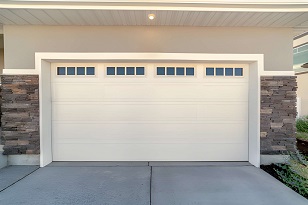
Your climate shapes everything about your home. The garage door you choose needs to handle extreme heat, freezing cold, high humidity, or harsh winds. Different garage doors for different climates isn’t just a recommendation. It’s a requirement for long-lasting performance. The right door protects your home and saves you money on energy bills year after year.
What Makes Different Garage Doors for Different Climates So Important?
Climate affects every component of your garage door. Temperature swings warp materials. Moisture causes rust and decay. Sun exposure fades colors and weakens structures. Your door faces these challenges every single day.
Choosing different garage doors for different climates means matching materials and features to your local weather. This smart approach prevents premature failure and reduces maintenance costs.
Cold Climate Garage Doors
Cold weather tests your garage door’s durability and insulation. Freezing temperatures make metal contract and lubricants thicken. Snow and ice add extra weight and stress.
Best materials for cold climates:
- Steel doors with polyurethane insulation
- Aluminum frames with thermal breaks
- Composite materials that resist cracking
Key features you need:
- R-value of 16 or higher for maximum insulation
- Weather seals that stay flexible below zero
- Heavy-duty springs rated for extra weight
- Corrosion-resistant hardware
Your garage often shares a wall with your home. An insulated door stops cold air from entering living spaces. This keeps your energy bills lower all winter long.
Winter maintenance matters too. Check weather seals monthly. Replace brittle stripping before it fails. Keep tracks clear of ice buildup. These simple steps keep your door working when temperatures drop.
Hot Climate Garage Doors
Extreme heat damages garage doors through expansion, UV radiation, and thermal stress. Metal doors heat up to dangerous temperatures. Direct sunlight fades paint and warps panels.
Top choices for hot climates:
- Light-colored steel or aluminum to reflect heat
- Composite materials that resist warping
- Insulated doors to block heat transfer
Heat-fighting features:
- UV-resistant finishes that won’t fade
- Ventilation options to release trapped heat
- Insulation that works both ways
- Heat-reflective coatings
Heat makes your garage an oven. Temperatures inside can reach 150 degrees or more. An insulated door blocks this heat from entering your home. You’ll save money on air conditioning costs every summer.
Different garage doors for different climates means thinking about year-round performance. Choose materials that handle both summer heat and winter cold if your area sees temperature extremes.
Humid Climate Garage Doors
Moisture is the enemy of garage doors. High humidity causes wood to swell, metal to rust, and electronics to fail. Coastal areas face salt spray that accelerates corrosion.
Materials that resist moisture:
- Vinyl doors that never rust or rot
- Aluminum with marine-grade finishes
- Fiberglass composite materials
- Stainless steel hardware
Protection you need:
- Powder-coated or galvanized finishes
- Sealed wood with regular maintenance
- Rust-proof tracks and springs
- Waterproof weather seals
Check your door monthly in humid conditions. Look for rust spots, peeling paint, or wood swelling. Catching problems early prevents major repairs.
Apply fresh lubricant more often in humid areas. Moisture washes away protective coatings faster. This simple maintenance step extends your door’s life significantly.
Windy Climate Garage Doors
Strong winds put enormous pressure on garage doors. A typical door has 150 square feet of surface area. Wind turns this into a giant sail that can buckle or break.
Wind-rated door requirements:
| Wind Speed Rating | Best For | Key Features |
| 130 mph | Moderate wind zones | Reinforced panels, upgraded tracks |
| 150 mph | High wind areas | Heavy-gauge steel, wind bracing |
| 180+ mph | Hurricane zones | Impact-rated, multiple reinforcements |
Wind-resistant features:
- Reinforced panels with extra bracing
- Heavy-duty tracks and rollers
- Wind load-rated hardware
- Multiple anchor points
Different garage doors for different climates save lives in hurricane zones. Impact-rated doors protect your home from flying debris. They prevent wind from entering and destroying your roof structure.
Building codes in wind-prone areas often require specific ratings. Check your local requirements before buying a new door. Your installer should know these regulations.
Variable Climate Garage Doors
Some regions experience all four seasons with dramatic temperature changes. Your door needs to handle 100-degree summers and sub-zero winters.
All-weather door solutions:
- Multi-layer steel construction with foam insulation
- Composite materials that don’t expand or contract
- High-quality weather seals on all four sides
- Commercial-grade springs and hardware
Year-round protection:
- Thick insulation for temperature control
- Flexible seals that work in any weather
- Durable finishes that resist fading and peeling
- Strong frames that maintain alignment
Test your door with each season change. Listen for new sounds. Watch for uneven movement. These signs tell you when weather stress creates problems.
Service your door twice yearly in variable climates. Spring and fall tune-ups catch wear before it becomes damage. This preventive care keeps different garage doors for different climates working properly.
Climate Comparison Guide
| Climate Type | Best Material | Insulation Need | Special Features |
| Cold | Steel with polyurethane | High (R-16+) | Flexible seals, heavy springs |
| Hot | Light-colored steel/aluminum | Medium to High | UV-resistant, reflective coating |
| Humid | Vinyl or aluminum | Medium | Rust-proof, sealed components |
| Windy | Reinforced steel | Medium | Wind bracing, impact-rated |
| Variable | Multi-layer composite | High | All-weather seals, durable finish |
Choose the Right Door for Your Weather
Different garage doors for different climates protect your biggest investment. The wrong door fails quickly and costs you money in repairs and energy waste. The right door lasts decades with minimal maintenance.
Start by identifying your climate challenges. Do you face harsh winters, brutal summers, high humidity, or strong winds? Many areas deal with multiple conditions throughout the year.
Match door materials and features to your specific weather patterns. Don’t compromise on insulation if you experience temperature extremes. Never skip wind ratings if storms threaten your area.
Ready to find the perfect garage door for your climate? Contact Trusted Garage Door Services at (435) 554-4962 for expert advice on selecting and installing the right door for Logan, Utah’s unique weather conditions. Our team knows which different garage doors for different climates work best in your area. Visit tgds4ut.com to schedule your free consultation today.