
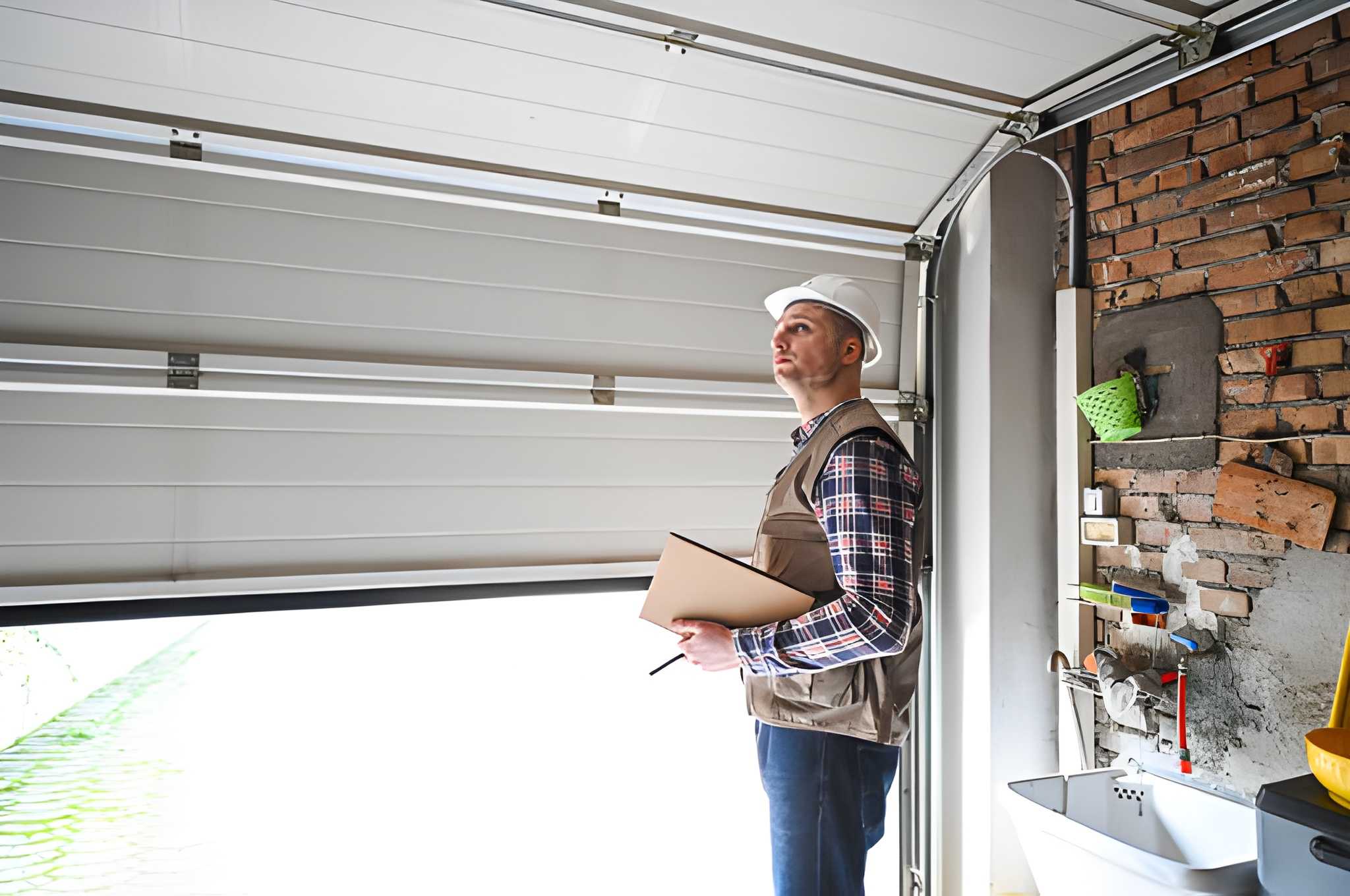
Your old garage door barely opens anymore. The noise wakes up the entire neighborhood. You know it’s time for a replacement but the thought of garage door installation feels overwhelming.
Installing a new garage door transforms your home’s appearance and functionality. The right installation improves security, boosts energy efficiency, and increases property value. This guide covers everything you need to know about choosing and installing a garage door that fits your needs and budget.
How Much Does Garage Door Installation Cost?
Installation costs vary based on door type, size, and material. Single-car garage door installation ranges from $600 to $1,500 for basic models. Double-car doors cost between $800 and $3,500 depending on features and materials.
Steel doors offer the most affordable option at $500 to $2,000 for materials and installation. These doors resist denting and require minimal maintenance. They come in various insulation ratings to match your climate needs.
Wood doors create a classic look but cost more. Expect to pay $1,200 to $4,000 for wooden garage door installation. These doors need regular staining or painting to prevent weather damage. They work best in moderate climates.
Aluminum doors with glass panels cost $1,500 to $3,000. Modern homes often feature these contemporary designs. The glass provides natural light but offers less insulation than solid materials.
Fiberglass doors resist salt corrosion in coastal areas. Installation costs run $1,000 to $2,500. These lightweight doors won’t rust or dent easily but can crack in extreme cold.
Labor accounts for $200 to $500 of your total cost. Complex installations with custom features or structural modifications increase labor expenses. Most professional installations take four to six hours for standard doors.
What Types of Garage Doors Can You Install?
Sectional doors remain the most popular choice across America. These doors lift vertically and slide along ceiling tracks. They save driveway space and offer excellent insulation options. Sectional garage door installation works for most residential applications.
Roll-up doors coil around a drum above the opening. Commercial buildings frequently use these durable doors. Residential versions suit garages with limited ceiling space. They provide maximum interior room but cost more than sectional doors.
Slide-to-side doors move horizontally along a single track. These retro-style doors appeal to homeowners seeking vintage aesthetics. They need wall space beside the garage opening. Installation requires sturdy side framing.
Tilt-up doors swing outward then up into the garage. Canopy models leave part of the door visible outside. Retractable versions disappear completely inside. These doors need clear driveway space when opening.
Custom carriage house doors replicate historic designs. Many modern versions use sectional construction with decorative hardware. Garage door installation for carriage styles costs 20 to 40 percent more than standard doors.
Should You Install a Garage Door Yourself?
DIY garage door installation saves money but requires significant skill and time. You need at least two people for safe handling. Doors weigh 150 to 400 pounds depending on size and material.
Basic tool requirements include a drill, wrenches, socket set, level, and ladder. You might need specialty tools for spring installation. Torsion springs hold dangerous tension levels that can cause serious injury.
Installation takes a full weekend for experienced DIYers. First-timers often need two to three days. Any mistakes during installation create safety hazards and void manufacturer warranties.
Professional installation includes proper spring tensioning and safety testing. Technicians have insurance coverage if accidents occur. They complete the job in four to six hours with guaranteed results.
Manufacturer warranties often require professional installation. DIY work might void coverage on parts and labor. Check warranty terms before deciding on self-installation.
The cost difference between DIY and professional installation is $200 to $500. This price covers expertise, proper tools, and peace of mind. Most homeowners find professional garage door installation worth the investment.
How Do You Choose the Right Garage Door?
Start by measuring your garage opening accurately. Width and height determine door size. Measure headroom above the opening and backroom along the ceiling. These measurements affect which door types work for your space.
Consider your climate when selecting materials and insulation. R-values measure insulation effectiveness. Uninsulated doors have R-values near zero. Insulated doors range from R-8 to R-18. Higher R-values reduce energy costs in extreme temperatures.
Match door style to your home’s architecture. Traditional homes look best with raised panel or carriage house designs. Contemporary homes suit modern aluminum and glass doors. Your door should complement existing exterior features.
Think about daily usage patterns. Busy households need durable doors with reliable openers. Homes with attached garages benefit from insulated doors that prevent temperature transfer. Security features matter more in urban neighborhoods.
Budget affects material choices and features. Set realistic spending limits before shopping. Quality doors cost more upfront but last longer. Cheap doors need frequent repairs that increase lifetime costs.
Wind load ratings matter in hurricane-prone areas. Florida and coastal regions require doors rated for high winds. Check local building codes for required ratings. Proper garage door installation includes meeting these safety standards.
What Features Should Your New Garage Door Include?
Insulation improves comfort and reduces energy bills. Polyurethane foam provides better insulation than polystyrene panels. Insulated doors also operate more quietly than uninsulated versions. They last longer because temperature changes cause less expansion and contraction.
Windows add natural light and curb appeal. Plain glass windows cost less but offer no privacy. Frosted or tinted glass provides light while blocking views. Window placement affects door balance and installation complexity.
Smart opener technology lets you control doors remotely. Wi-Fi-enabled openers send alerts when doors open or close. You can grant temporary access to delivery drivers or guests. Battery backup systems keep doors working during power outages.
Quiet operation matters for homes with living spaces above garages. Belt-drive openers run quieter than chain-drive models. Nylon rollers reduce noise compared to steel versions. Proper garage door installation includes lubricating all moving parts.
Safety features protect family members and vehicles. Photoelectric sensors stop doors from closing on obstructions. Auto-reverse mechanisms prevent crushing injuries. Modern doors include these features as standard equipment.
Security options deter break-ins and unauthorized entry. Reinforced sections resist forced entry attempts. Smart openers provide activity logs showing when doors operated. Vacation mode locks out all remote controls and wall buttons.
How Long Does Garage Door Installation Take?
Professional installers complete standard single-door jobs in four to six hours. This timeline includes removing the old door and installing the new one. Complex jobs with custom features take longer.
Double-door installations need six to eight hours. Larger doors require more assembly and adjustment time. Heavier materials slow the installation process.
Removing your old door adds one to two hours to the job. Disposal of old materials might cost extra. Some companies include removal in their installation price. Ask about disposal fees before scheduling work.
Structural repairs extend installation time significantly. Damaged framing needs fixing before new door installation begins. Rot or termite damage requires carpenter work that adds days to the project.
Custom doors take longer to install than standard models. Unique sizes need custom track cutting and adjustments. Carriage house doors with decorative hardware require careful alignment. Plan for eight to ten hours for custom garage door installation.
Weather affects outdoor installation work. Rain or extreme temperatures delay projects. Most installers avoid working in freezing conditions. Schedule installation during mild weather when possible.
What Happens During Professional Garage Door Installation?
Installers start by measuring your opening and checking structural support. They verify the new door fits properly. Any issues get addressed before beginning removal work.
The old door comes down first. Technicians safely release spring tension and disconnect the opener. They remove panels, tracks, and hardware. The workspace gets cleared of debris.
New track installation comes next. Tracks must be level and properly spaced. Vertical tracks attach to door framing. Horizontal tracks mount to ceiling supports or brackets.
Door panels go up one section at a time. Installers connect sections with hinges and rollers. They work from bottom to top. Each section gets positioned carefully before adding the next.
Spring installation requires specialized knowledge. Torsion springs mount on a shaft above the door. Extension springs attach to side tracks. Proper tension balancing prevents premature wear and safety issues.
Opener installation and programming finish the job. The motor mounts to ceiling supports. Drive mechanisms connect to the door. Technicians program remotes and test all safety features.
Final adjustments ensure smooth operation. Installers test door balance and opener force settings. They lubricate moving parts and clean up the work area. You receive instructions on operating and maintaining your new door.
Garage door installation improves your home’s security, appearance, and energy efficiency. Professional installers handle the technical challenges safely. Your new door provides reliable service for 15 to 30 years with proper care. Choose quality materials and experienced installers for the best long-term results.
You may also read: Quiet Garage Door Maintenance Tips: 10 Simple Solutions That Work
Conclusion
Replacing your garage door represents one of the most impactful home improvements you can make. A new door dramatically enhances your home’s curb appeal, strengthens security, and improves energy efficiency throughout your property. The transformation goes beyond aesthetics it’s about creating a safer, more functional entrance that serves your family reliably for decades to come.
While DIY installation might seem tempting to save a few hundred dollars, the risks far outweigh the savings. Professional installers bring expertise in proper spring tensioning, precise track alignment, and safety feature calibration that DIY attempts often miss. One mistake during installation can create dangerous conditions or void manufacturer warranties, turning short-term savings into long-term headaches and expenses.
Choosing the right door for your specific needs requires balancing style, materials, insulation, and budget considerations. From steel sectional doors that offer durability and value to custom carriage house designs that make architectural statements, your options are extensive. The key is working with professionals who understand both the technical requirements and design possibilities that match your home and lifestyle.
Ready to transform your home with professional garage door installation? TGDS4UT delivers expert installation services with experienced technicians who handle every detail from old door removal to final safety testing. Their team works with all door types and materials, ensuring your new garage door is installed correctly, operates smoothly, and provides years of reliable performance. Visit tgds4ut.com today to schedule your free consultation and installation estimate. Discover how the right garage door and professional installation can enhance your home’s value, security, and everyday convenience. Your perfect garage door is just one decision away.