
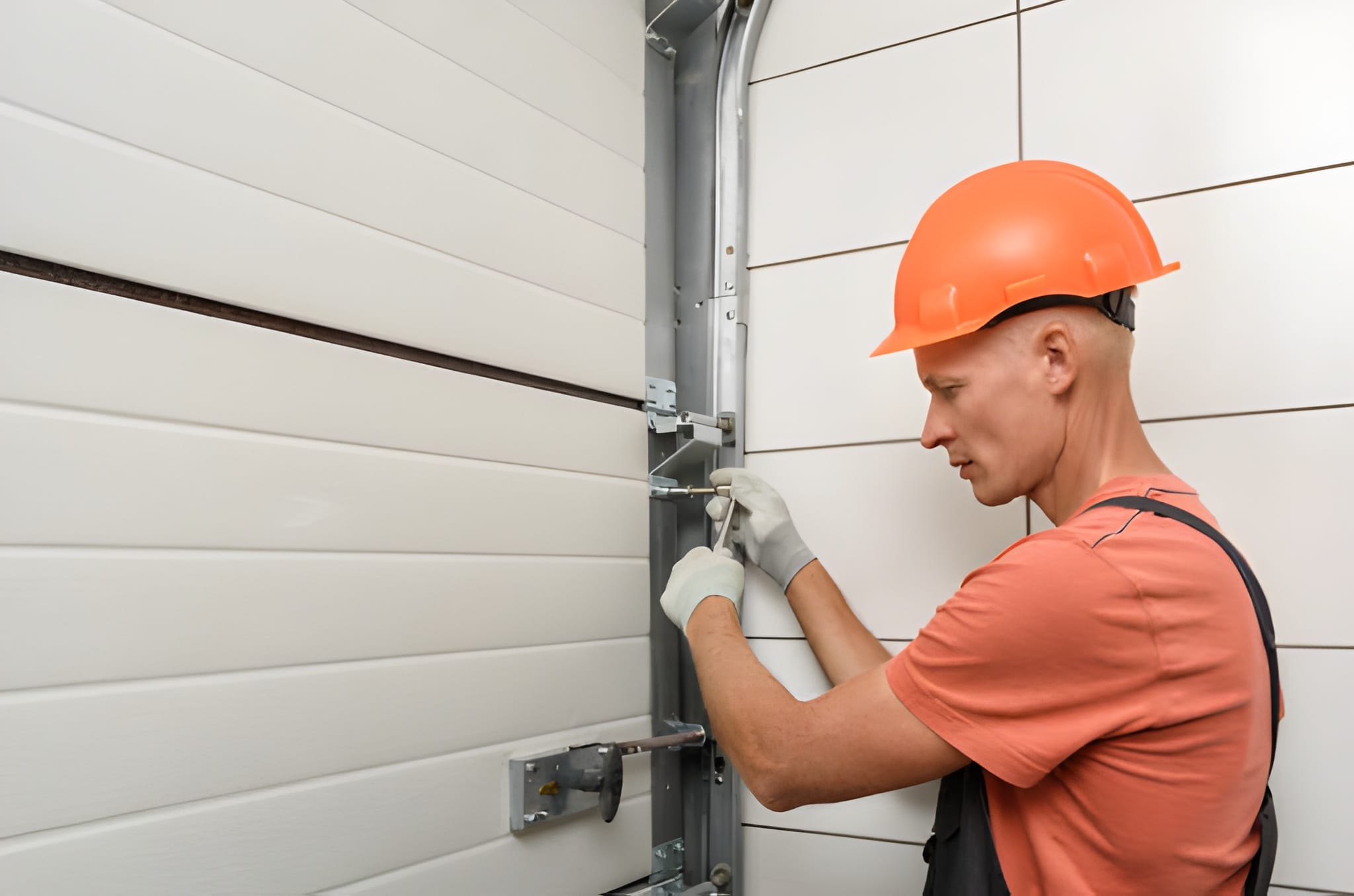
You press the button and your garage door groans loudly before inching open. The noise gets worse every month. You know something needs attention but keep putting it off.
Most garage doors fail at the worst possible times. A car stuck inside when you need to get to work. A door that won’t close during a storm. Regular garage door maintenance prevents these frustrating situations and saves you hundreds in repair costs.
This guide shows you simple steps to keep your door running smoothly for decades. You don’t need special skills or expensive tools. Just 30 minutes every few months keeps your door in peak condition.
How Often Should You Perform Garage Door Maintenance?
Monthly visual checks catch problems before they worsen. Walk around your door looking for rust, dents, or loose hardware. Listen for unusual sounds during operation. Strange noises signal developing issues.
Quarterly deep maintenance keeps everything running smoothly. Lubricate moving parts every three months. Test door balance and safety features. Clean tracks and remove debris buildup. This schedule works for doors used daily.
Bi-annual professional inspections provide peace of mind. Technicians spot problems you might miss. They adjust spring tension and check cable wear. Schedule inspections in spring and fall for best results.
High-use doors need more frequent attention. Businesses operating doors 20 times daily require monthly professional service. Residential doors used 3 to 5 times daily do fine with the standard schedule.
Climate affects garage door maintenance frequency. Coastal homes need monthly rust checks. Desert locations require more frequent lubrication. Cold climates demand weatherstripping inspections before winter.
What Are the Most Important Garage Door Maintenance Tasks?
Lubricating moving parts tops the maintenance priority list. Apply silicone-based lubricant to rollers, hinges, springs, and bearings. Avoid WD-40 which attracts dirt and dries out quickly. Proper lubrication reduces friction and extends component life by years.
Tightening hardware prevents bigger problems. Garage doors vibrate thousands of times yearly. This constant movement loosens bolts and screws. Check all fasteners quarterly with a socket wrench. Tight hardware keeps your door aligned properly.
Testing door balance catches spring issues early. Disconnect the opener and lift the door halfway manually. Balanced doors stay in place. Doors that fall or rise need spring adjustment. Unbalanced doors strain the opener motor and wear out faster.
Cleaning tracks removes dirt that causes binding. Use a damp cloth to wipe track interiors monthly. Remove dried lubricant buildup and debris. Clean tracks let rollers move freely without resistance.
Inspecting weatherstripping maintains energy efficiency. The rubber seal along the door bottom prevents drafts and water. Replace cracked or torn sections immediately. Good weatherstripping cuts heating and cooling costs.
Testing safety features protects your family. Place a block under the closing door. It should reverse instantly upon contact. Check photoelectric sensors by blocking the beam. These tests prevent serious accidents.
Which Lubricants Work Best for Garage Door Maintenance?
Silicone-based spray lubricants provide the best protection. They resist temperature extremes and repel water. Silicone stays put without dripping or running. Apply it every three months to all moving metal parts.
Lithium grease works well for high-friction areas. Use it on torsion spring bearings and opener gears. This thick grease handles heavy loads and high pressure. Apply sparingly to avoid attracting excessive dirt.
Avoid petroleum-based products like WD-40. These cleaners evaporate quickly and leave residue. They attract dirt that accelerates wear. Use WD-40 only for cleaning rusty parts before applying proper lubricant.
White lithium grease comes in both spray and tube forms. The spray reaches tight spaces easily. Tube grease provides heavier coating for high-wear points. Keep both types in your maintenance toolkit.
Never lubricate rubber parts or tracks. Lubricant on weatherstripping causes deterioration. Greasy tracks collect dirt that jams rollers. Wipe tracks clean instead of lubricating them.
Temperature ratings matter for outdoor applications. Choose lubricants rated for your climate extremes. Standard products work from 0°F to 100°F. Extreme climate formulas handle wider temperature ranges.
How Do You Check Garage Door Balance Properly?
Start by disconnecting the automatic opener. Pull the emergency release cord hanging from the opener rail. This disengages the door from the motor. The door now operates manually.
Lift the door to waist height smoothly. A balanced door stays in place when you let go. It shouldn’t rise or fall on its own. Test this position and the halfway point.
Falling doors indicate weak or broken springs. The springs no longer counterbalance the door weight properly. Rising doors suggest springs with too much tension. Both situations need professional adjustment.
Perform balance tests every three months. Spring tension changes gradually over time. Regular testing catches problems before complete spring failure. Balanced doors last longer and operate safely.
Never adjust spring tension yourself. Torsion springs hold 200 to 400 pounds of tension. DIY spring work causes serious injuries yearly. Call professionals for any spring adjustments or replacements.
Document test results in a maintenance log. Note the date and door behavior. Patterns help identify developing problems. Share this information with technicians during service calls.
What Signs Indicate Your Garage Door Needs Professional Maintenance?
Grinding or scraping noises mean worn bearings or rollers. Metal-on-metal sounds damage other components quickly. Schedule professional garage door maintenance within days of hearing new noises.
Slow operation suggests opener motor strain. Doors should open fully in 12 to 15 seconds. Slower movement indicates mechanical resistance or motor problems. Technicians diagnose the root cause efficiently.
Uneven movement shows balance or cable issues. Crooked doors strain the entire system. One side lagging behind the other signals cable or spring problems. Stop using the door and call for service.
Visible cable fraying demands immediate attention. Cables support the door’s weight during operation. Frayed cables snap without warning. Snapping cables cause door crashes and injuries.
Rust spots spreading across hardware indicate moisture problems. Surface rust removes easily with wire brushes. Deep rust weakens metal components structurally. Replace severely rusted parts before they fail.
Door bouncing or jerking during operation signals serious issues. Smooth doors glide up and down steadily. Jerky movement means damaged rollers, bent tracks, or worn springs. Professional inspection identifies the specific problem.
You may also read: Overhead Door Insulation Benefits: 9 Powerful Reasons to Upgrade
Can Regular Maintenance Extend Your Garage Door Lifespan?
Proper garage door maintenance doubles average door lifespan. Neglected doors last 10 to 15 years. Well-maintained doors run smoothly for 20 to 30 years. The time investment pays huge dividends.
Spring life extends significantly with care. Standard springs last 10,000 cycles without maintenance. Regular lubrication and balance checks push this to 15,000 cycles. That’s three to five extra years of service.
Opener motors last longer with maintained doors. Balanced doors require less motor power. Less strain means motors run cooler and last longer. Quality openers operate 15 to 20 years with proper care.
Track and roller wear decreases dramatically. Clean, lubricated rollers create minimal friction. They last 15 to 30 years depending on material. Neglected rollers need replacement in 5 to 10 years.
Panel condition improves with regular cleaning. Dirt and grime cause paint deterioration. Clean panels resist rust and weather damage. Annual washing preserves appearance and structural integrity.
Money saved on repairs exceeds maintenance costs. Professional maintenance costs $100 to $150 annually. Major repairs run $200 to $500 each. Prevention saves thousands over your door’s lifetime.
What Tools Do You Need for Basic Garage Door Maintenance?
A socket wrench set handles most hardware tightening. Get both metric and standard sizes. Extension bars reach recessed fasteners. This versatile tool costs $30 to $50.
Silicone spray lubricant is your maintenance workhorse. Buy two to three cans yearly. Keep one in your garage toolkit. This investment costs under $20 annually.
A sturdy stepladder provides safe access to upper components. Six-foot ladders work for standard doors. Eight-foot ladders suit taller doors. Safety matters more than saving money on ladders.
Shop rags or microfiber cloths clean tracks and panels. Buy inexpensive multipacks at hardware stores. Disposable rags simplify cleanup after lubricating. Keep a dedicated supply for garage work.
A torpedo level checks track alignment. This small tool fits easily in tight spaces. Level tracks prevent binding and premature wear. Quality levels cost $10 to $20.
Safety glasses protect your eyes during maintenance. Falling debris and spraying lubricant create hazards. Wear them every time you work on your door. This simple protection prevents injuries.
Work gloves prevent cuts from sharp metal edges. Door panels, tracks, and hardware have rough edges. Gloves improve grip when handling tools. Choose flexible gloves that maintain dexterity.
Garage door maintenance doesn’t require expertise or hours of your time. Simple regular care prevents expensive repairs and extends door life dramatically. Start your maintenance routine today and enjoy reliable, quiet operation for decades. Your door protects your home and vehicles. Give it the attention it deserves.
Conclusion
Consistent garage door maintenance is the difference between a door that serves you reliably for decades and one that fails at the most inconvenient moment. The simple routines outlined in this guide—lubricating moving parts, tightening hardware, testing balance, and checking safety features—take minimal time but deliver maximum protection for your investment. A few minutes of attention every few months prevents thousands of dollars in emergency repairs and premature replacement costs.
The benefits of regular maintenance extend far beyond avoiding breakdowns. Well-maintained doors operate quietly, consume less energy, and maintain their appearance year after year. Your garage door is one of the most frequently used mechanical systems in your home, cycling through thousands of operations annually. Each cycle either contributes to wear and deterioration or demonstrates the value of proper care. The choice between these outcomes rests entirely in your hands.
While DIY maintenance handles routine tasks effectively, professional inspections catch developing problems that untrained eyes miss. Technicians identify worn components before they fail, adjust spring tension safely, and ensure all safety systems function correctly. This professional oversight complements your regular care routine, providing comprehensive protection for your garage door system.
Don’t wait until strange noises or operational problems force your hand. TGDS4UT offers comprehensive garage door maintenance services designed to keep your door operating smoothly and safely year-round. Their experienced technicians perform thorough inspections, complete all necessary adjustments, and identify potential issues before they become costly repairs. Whether you need professional maintenance service or have questions about caring for your door, visit tgds4ut.com today to schedule your maintenance appointment. Invest 30 minutes in professional care now and enjoy years of reliable, trouble-free garage door operation. Your door works hard for you every day—let the experts at TGDS4UT help you keep it in peak condition.