
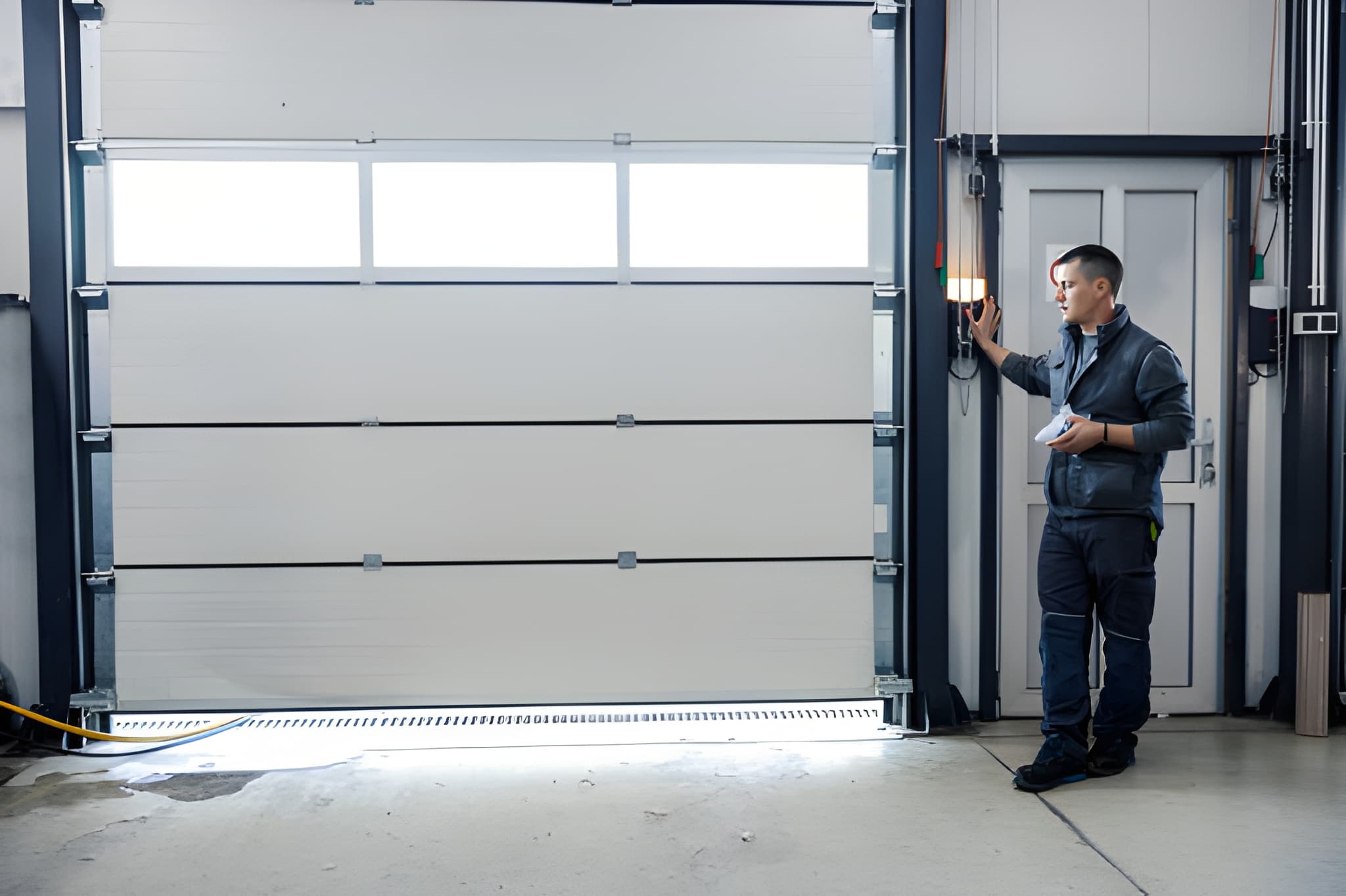
Your garage door stopped working this morning. You’re stuck with a car trapped inside or a wide-open entrance that leaves your home vulnerable. This scenario happens to thousands of homeowners across America every single day.
Garage door repair is something most people ignore until disaster strikes. Understanding when to call a professional and what fixes you can handle yourself saves you money and prevents safety hazards. This guide walks you through everything you need to know about fixing garage door problems.
What Are the Most Common Garage Door Problems?
Broken springs top the list of garage door issues. These metal coils handle the weight of your door during opening and closing cycles. After about 10,000 cycles, which equals roughly seven to nine years for average households, springs wear out and snap.
Malfunctioning openers cause frustration for many homeowners. The motor runs but nothing happens, or the door reverses before closing completely. Remote controls stop responding. These problems often stem from simple fixes like dead batteries or misaligned sensors.
Worn rollers create loud grinding noises. Steel rollers last about 10 to 15 years, while nylon rollers can last up to 30 years with proper maintenance. When rollers deteriorate, your door struggles to move smoothly along the tracks.
Damaged panels affect both function and appearance. Dents from basketball games, car bumps, or weather damage weaken the structure. A single damaged panel sometimes requires replacement to maintain proper balance and insulation.
How Much Does Garage Door Repair Cost?
National averages show garage door repair costs range from $150 to $350 for most common fixes. Spring replacement typically runs between $200 and $300 for both torsion springs. Cable repairs cost around $150 to $200.
Opener repairs vary based on the problem. Sensor realignment might only cost $75 to $100. Complete opener replacement ranges from $300 to $500 for standard models. High-end smart openers with Wi-Fi connectivity can push costs to $600 or more.
Track repair and realignment usually costs $125 to $200. If tracks need complete replacement, expect to pay $200 to $400 depending on your door size. Panel replacement varies widely from $250 to $800 per panel based on material and design.
Labor costs account for a significant portion of your bill. Most technicians charge $75 to $150 per hour. Simple repairs take 30 minutes to an hour. Complex jobs like spring replacement or track repair might take two to three hours.
Can You Fix a Garage Door Yourself?
Some repairs are safe for DIY enthusiasts. Lubricating moving parts takes minimal skill and prevents future problems. Apply silicone-based lubricant to rollers, hinges, and tracks every six months. This simple maintenance extends your door’s lifespan.
Replacing weather stripping is another manageable project. The rubber seal along the bottom of your door prevents water, pests, and drafts from entering. New weather stripping costs $20 to $50 and installs in about 30 minutes.
Tightening loose hardware is straightforward. Garage doors vibrate during operation, which loosens bolts and screws over time. Check and tighten all hardware quarterly using a socket wrench. This prevents bigger problems down the road.
However, spring repair is dangerous and should be left to professionals. Torsion springs hold 200 to 400 pounds of tension. When they break, the release of energy can cause serious injury or death. Professional technicians have specialized tools and training to handle springs safely.
What Signs Indicate You Need Professional Garage Door Repair?
Your door refuses to open or close completely. This suggests problems with the opener, springs, or tracks that require expert diagnosis. Attempting to force the door causes additional damage and increases repair costs.
Strange noises signal mechanical problems. Grinding sounds indicate worn bearings or rollers. Popping noises often mean spring issues. Scraping sounds suggest track misalignment. Each noise type points to specific problems that professionals can identify quickly.
The door hangs crooked or uneven when opening. This indicates broken cables or spring issues on one side. Operating a crooked door damages other components and creates safety risks.
Your door moves too fast or falls rapidly. This means the springs no longer counterbalance the door’s weight properly. A falling garage door poses serious injury risks to people and vehicles.
Visible damage to cables, springs, or tracks requires immediate attention. Frayed cables can snap without warning. Bent tracks prevent smooth operation and strain the opener motor.
How Do You Choose the Right Garage Door Repair Service?
Start by checking licenses and insurance. Reputable companies carry liability insurance and workers’ compensation coverage. This protects you from liability if accidents occur during repairs.
Read online reviews across multiple platforms. Google, Yelp, and Better Business Bureau ratings reveal customer satisfaction patterns. Look for companies with consistent four to five-star ratings and positive feedback about professionalism and pricing.
Ask for detailed written estimates before work begins. Quality companies inspect your door and provide itemized quotes. Avoid services that give phone estimates without seeing the problem. Accurate diagnosis requires physical inspection.
Verify warranty coverage on parts and labor. Standard warranties cover parts for one to three years and labor for 30 to 90 days. Companies confident in their work offer longer warranties.
Compare response times and availability. Garage door problems often need quick solutions. Companies offering same-day or next-day service demonstrate commitment to customer needs.
What Maintenance Prevents Future Garage Door Repairs?
Regular visual inspections catch problems early. Check springs, cables, rollers, and tracks monthly. Look for rust, fraying, or unusual wear patterns. Small issues become expensive repairs when ignored.
Test the door balance every three months. Disconnect the opener and manually lift the door halfway. A balanced door stays in place. Doors that fall or rise need spring adjustment.
Clean and lubricate moving parts twice yearly. Remove dirt and debris from tracks using a damp cloth. Apply lubricant to all moving metal components. This reduces friction and extends component life.
Test safety features monthly. Place a block of wood under the door while closing. The door should reverse immediately upon contact. If it doesn’t, the safety sensors need adjustment or replacement.
Keep tracks clean and aligned. Debris in tracks causes binding and motor strain. Use a level to check track alignment. Misaligned tracks need professional adjustment to prevent damage.
You may also read: Safe Garage Door Opener Protocols: 11 Critical Safety Rules
When Should You Replace Instead of Repair?
Age plays a big role in repair versus replacement decisions. Garage doors last 15 to 30 years depending on material and maintenance. Doors approaching 20 years old often need frequent repairs that exceed replacement costs.
Multiple component failures suggest replacement makes financial sense. If your door needs new springs, panels, and an opener, replacement costs become comparable to new door installation.
Energy efficiency improvements justify replacement. Modern doors offer better insulation ratings, reducing heating and cooling costs. Homes in extreme climates see significant energy savings with upgraded doors.
Severe structural damage often costs more to repair than replace. Large dents, bent frames, or rotted wood sections compromise safety and function. New doors provide better security and curb appeal.
Your final decision balances repair costs against replacement benefits. Get quotes for both options from qualified professionals. Consider long-term value, not just immediate expenses.
Garage door repair doesn’t need to be stressful when you know what to expect. Regular maintenance prevents most problems. Professional help ensures safe, lasting solutions for complex issues. Your garage door protects your home and vehicles. Treat it with the care it deserves.
Conclusion
Understanding garage door repair basics empowers you to make smart decisions when problems arise. Whether you’re dealing with a broken spring, malfunctioning opener, or worn rollers, knowing the difference between DIY fixes and jobs requiring professional expertise protects both your safety and your wallet. Your garage door is one of the largest moving components in your home, and it deserves proper attention and care.
Regular maintenance is your best defense against unexpected breakdowns and costly emergency repairs. Simple tasks like lubricating moving parts, testing safety features, and conducting visual inspections take just minutes but can prevent thousands of dollars in damage. When problems do occur, catching them early through routine checks means smaller repairs instead of complete system failures.
The difference between a minor inconvenience and a major safety hazard often comes down to timing and professional expertise. Attempting complex repairs without proper training and tools puts you and your family at risk. Professional technicians bring years of experience, specialized equipment, and comprehensive knowledge of garage door systems that ensure repairs are done correctly the first time.
Don’t let garage door problems disrupt your daily routine or compromise your home’s security. TGDS4UT specializes in fast, reliable garage door repair services with skilled technicians who handle everything from spring replacements to complete system diagnostics. Their team understands the urgency of garage door issues and offers prompt service to get your door working properly again. Visit tgds4ut.com today to schedule your repair service or maintenance inspection and experience the peace of mind that comes with working with dedicated garage door professionals. Your garage door’s reliability starts with one call to the right team.