
Your garage door springs work harder than almost any part of your home. Every time the door opens or closes, these springs carry most of the weight. So how long do garage door springs actually last? On average, most springs handle around 10,000 cycles, which usually means seven to twelve years of daily use. But the real number depends on the spring type, the weather, and how often you open your door. This guide answers the most common questions homeowners ask, gives you clear facts, and helps you know exactly when it’s time for a replacement.
How Long Do Garage Door Springs Last on Average?
Most garage door springs are built to survive around 10,000 open and close cycles. If you open your garage door twice a day, that adds up to roughly seven years of use. Homes with heavier use, like families with several cars or a home business, may wear through springs faster.
What Counts as One Cycle?
A cycle simply means one full open and one full close. It doesn’t matter if you use a remote, a wall switch, or manual force. Each full motion counts as one cycle toward the spring’s total lifespan.
Do All Springs Wear Out at the Same Rate?
No. Spring life depends on quality, weight load, and daily use. A door that opens ten times a day will wear out its springs much faster than one used twice a day.
What Are the Different Types of Garage Door Springs?
There are two main types used in most homes today. Each one lasts differently and serves a different purpose.
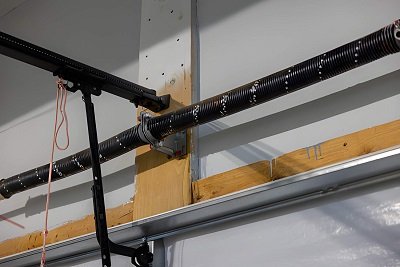
- Torsion springs: Mounted above the door on a metal shaft. These twist to store energy and usually last longer.
- Extension springs: Found on the sides of the door track. These stretch and contract with each cycle and often wear out sooner.
Which Spring Type Lasts Longer?
Torsion springs generally last longer than extension springs. They handle more weight with less strain, which lowers the chance of early failure. Many manufacturers rate torsion springs for 15,000 to 20,000 cycles when built with high grade steel.
How Do I Know Which Type I Have?
Look above your garage door. If you see a single spring mounted on a metal bar, that’s a torsion spring. If you see two springs stretched along the upper tracks on each side, those are extension springs.
What Affects How Long a Spring Lasts?
Several factors decide how fast your springs wear down. Some you can control, and some you can’t.
- Door weight: Heavier doors put more strain on the spring with every use.
- Climate: Extreme heat or cold can cause metal fatigue faster.
- Usage frequency: More daily cycles mean faster wear.
- Spring quality: Higher grade steel handles stress better and lasts longer.
- Maintenance: Regular lubrication reduces friction and slows down wear.
Does Weather Really Make a Difference?
Yes. Cold weather makes metal more brittle, which raises the chance of snapping. Hot and humid climates can speed up rust, especially if springs aren’t lubricated often. Homes in areas with big temperature swings often see shorter spring lifespans.
What Are the Warning Signs of a Failing Spring?
Springs rarely fail without giving some warning first. Catching these signs early can prevent a sudden breakdown or a stuck door.
- The door feels heavier than usual when lifted by hand.
- You notice a loud bang coming from the garage, which often means a spring has snapped.
- The door opens unevenly or looks crooked.
- There’s visible rust, gaps, or stretching on the spring coils.
- The door won’t stay open on its own.
Is It Safe to Use the Door With a Broken Spring?
No. A broken spring puts extra strain on the opener motor and can cause the door to fall unexpectedly. Stop using the door right away and contact a professional for repair.
How Often Should Garage Door Springs Be Replaced?
| Spring Type | Average Lifespan (Cycles) | Approximate Years (2 cycles/day) |
|---|---|---|
| Torsion Spring (Standard) | 10,000 | 7 years |
| Torsion Spring (High Cycle) | 20,000 to 30,000 | 15 to 20 years |
| Extension Spring | 10,000 | 7 years |
Keep in mind these numbers change based on your door’s weight and daily use. A home that opens the garage door four times a day will reach these cycle counts much sooner.
Should I Replace Both Springs at Once?
Yes, this is usually the smart move. If one spring is worn, the other is likely close behind. Replacing both at the same time keeps the door balanced and lowers the risk of a second breakdown soon after the first repair.
Can You Extend the Life of Your Garage Door Springs?
Yes, a few simple habits can add years to your springs’ lifespan.
- Lubricate the springs twice a year with a silicone or garage door specific lubricant.
- Keep the tracks clean and free of dirt or debris.
- Check the door balance every few months by disconnecting the opener and lifting the door by hand.
- Avoid slamming the door shut, since sudden stops add extra stress to the springs.
- Schedule a yearly inspection with a professional to catch small issues early.
Is DIY Maintenance Enough, or Do I Need a Professional?
Basic tasks like lubrication and visual checks are safe for most homeowners. But spring replacement and tension adjustments should be left to a trained technician. These springs hold a large amount of stored force, and handling them without the right tools can cause injury.
According to the International Door Association, garage door springs are under high tension and should only be serviced by trained professionals, since improper handling is a leading cause of home repair injuries.
Final Thoughts and Next Step
Garage door springs don’t last forever, but with the right care, you can stretch their life well past the average mark. Watch for warning signs, keep up with lubrication, and don’t wait until a spring snaps to take action. A little attention now saves you from a bigger repair bill later, and keeps your garage door safe for everyday use.
Ready to browse quality garage door parts and accessories built to last? Visit tgds4ut.com and find the right fit for your home today.