
Garage door noises tell you a lot about what is happening inside your system. A sudden grinding sound or a sharp squeak is rarely random. These sounds point to specific parts that need attention before a small issue turns into a full breakdown. This guide walks you through the most common garage door sounds and what each one usually means. You get clear explanations, practical checks, and simple next steps for each noise type. By the end you will know which sounds to watch closely and which ones call for a professional right away.
Why Your Garage Door Makes Noise in the First Place
A garage door has many moving parts working together every time it opens or closes. Rollers, springs, hinges, and tracks all shift and rub against each other during normal use.
A few quick facts:
- The average garage door opens and closes over a thousand times each year.
- Metal rollers tend to create more noise over time compared to nylon rollers.
- Lack of lubrication causes a large share of common garage door noise complaints.
Noise on its own is not always a sign of danger. It does tell you which part needs a closer look before wear turns into a real problem.
Grinding Sounds and What They Mean
Grinding noises usually point to a mechanical problem rather than a simple lack of lubrication. This sound often comes from metal parts rubbing against each other without enough space or support.
Worn Out Rollers
Rollers guide your door along its track. Once they wear down or crack, they no longer move smoothly and start grinding against the track surface.
- Check rollers for visible cracks or flat spots
- Listen for grinding that gets louder near the top or bottom of the door’s path
- Replace rollers in full sets rather than one at a time for even wear
Damaged Track Alignment
A bent or misaligned track forces your door’s rollers to grind against metal edges instead of rolling freely.
- Look for gaps between rollers and the track
- Check for visible bends or dents along the track length
- Avoid forcing the door if grinding gets worse, since this can cause the door to jump the track
Squeaking Sounds and What They Mean
Squeaking is one of the most common garage door noises homeowners report. In many cases this points to a simple fix rather than a serious mechanical issue.
- Dry hinges often squeak as the door bends at each panel joint
- Springs can squeak as they stretch and compress with regular use
- Rollers without enough lubrication tend to squeak as they turn along the track
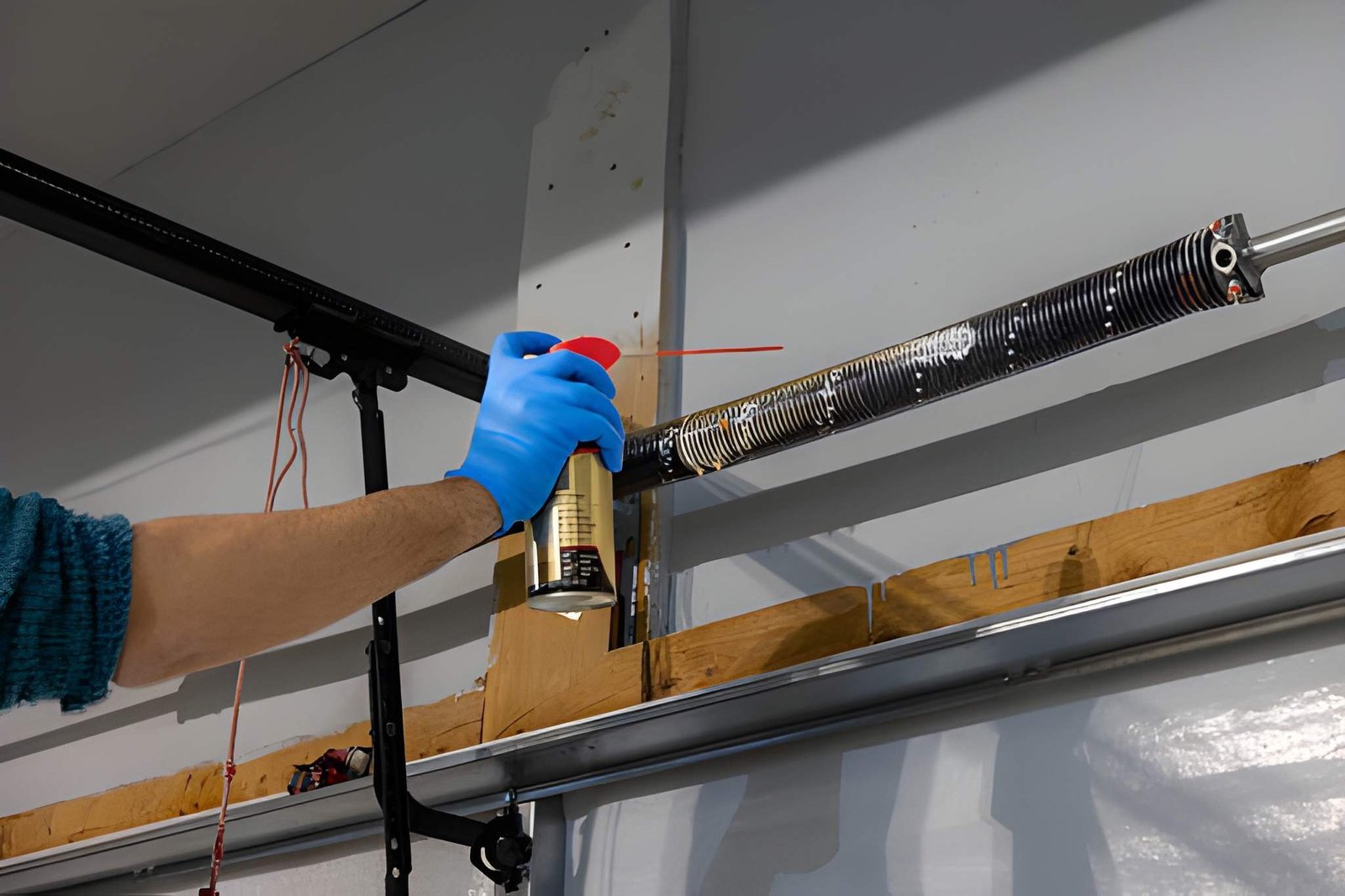
A light coat of garage door lubricant on hinges, rollers, and springs often clears up squeaking within a few uses. Avoid regular household oil, since it attracts dust and can gum up parts over time.
Rattling Sounds and What They Mean
Rattling noises usually point to loose hardware rather than worn out parts. This sound often comes from small pieces vibrating during regular door movement.
| Rattling Cause | Common Fix |
| Loose hinge bolts | Tighten bolts with a wrench |
| Loose track brackets | Check and tighten mounting screws |
| Worn weatherstripping | Replace strip along the bottom of the door |
| Loose chain on opener | Adjust chain tension per manufacturer instructions |
Rattling rarely signals danger, but it does point to parts that will wear faster if left loose over time. A quick check with a wrench often solves this noise within minutes.
Other Noises Worth Watching
Beyond grinding, squeaking, and rattling, a few other sounds deserve your attention.
Popping or Banging Sounds
A loud pop or bang often points to a spring issue. Torsion springs carry heavy tension and can make a sharp sound if they shift or begin to fail.
- Stop using the door right away if you hear a sharp bang tied to spring movement
- Avoid attempting spring repair on your own, since these parts carry high tension
- Call a professional promptly if you suspect a spring problem
Humming or Buzzing From the Opener
A steady hum or buzz from your opener unit can point to motor strain or a worn drive belt.
- Check if the sound changes based on door weight or balance
- Listen for the sound stopping once the door reaches full open or closed position
- Have the opener checked if humming continues even when the door sits still
When to Call a Professional
Some garage door noises are safe to check yourself. Others carry real risk if handled without the right tools or training.
- Call a professional for any spring related noise, since these parts store dangerous tension
- Call a professional if grinding continues after basic lubrication and roller checks
- Call a professional if your door becomes hard to open or shows visible track damage
- Handle simple lubrication, bolt tightening, and weatherstrip replacement on your own with basic tools
Springs and cables carry enough force to cause real injury if they release suddenly. Leave any repair involving these parts to a trained technician.
Simple Maintenance Steps to Reduce Noise
Regular maintenance keeps most garage door noises from developing in the first place.
- Lubricate rollers, hinges, and springs every three to six months
- Tighten visible hardware during each maintenance check
- Test door balance by disconnecting the opener and lifting the door by hand
- Replace worn weatherstripping once it cracks or loses its seal
A few minutes of maintenance every few months often prevents the larger repairs that come from ignored noise over time.
Final Thoughts
Garage door noises give you an early warning system for parts that need attention. Grinding often points to rollers or track alignment, squeaking usually means a lack of lubrication, and rattling points to loose hardware. Bangs and pops call for real caution due to spring tension, and any noise tied to your opener motor deserves a closer look. Regular maintenance keeps most of these sounds from turning into bigger repairs down the road.
Hearing a noise you are not sure about? Visit tgds4ut.com today and let our team help you get your garage door running quietly again.