
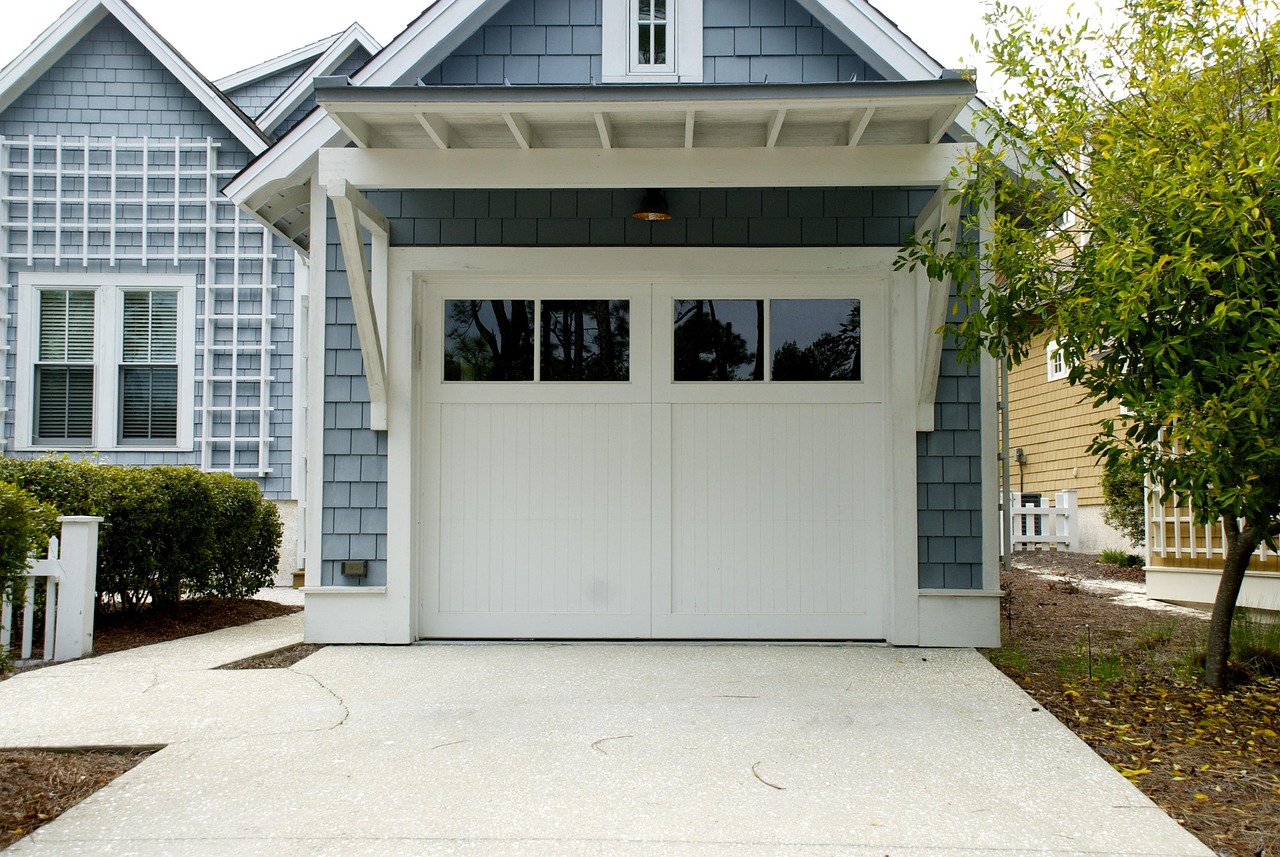
Your garage door wakes up the entire house when you leave for work. The grinding, squeaking, and rattling echoes through your home and annoys the neighbors. You’ve gotten used to the noise, but your family hasn’t. They cringe every time you hit that button.
A noisy garage door isn’t just annoying—it often signals that something needs attention. Parts wear out, lubricants dry up, and hardware loosens over time. The good news? Most garage door noise problems have simple fixes you can handle yourself. These quiet garage door maintenance tips will help you identify problems and solve them before they turn into expensive repairs.
This guide walks you through practical steps to silence your garage door. You’ll learn which parts cause noise, how to fix them, and when to call a professional. Let’s turn that racket into a smooth, quiet operation that won’t disturb anyone.
Why Garage Doors Get Noisy
Understanding the source of noise helps you fix it properly. Garage doors make noise for several reasons, and each type of sound points to a different problem. Metal parts grinding together create one type of noise. Loose hardware rattling creates another. Worn rollers produce a different sound entirely.
Your garage door moves hundreds of times per year. That constant motion wears down parts and loosens fasteners. Lubricants dry out or get contaminated with dust and dirt. Springs stretch and lose tension. Rollers develop flat spots or lose bearings. Each worn component adds its own noise to the symphony of sounds you hear.
Temperature changes affect your door too. Metal expands in heat and contracts in cold. These shifts can cause parts to bind or rattle. Humidity makes wood doors swell and stick. Dry air makes parts shrink and loosen. Seasonal maintenance prevents many of these problems.
The type of door you have matters. Steel doors with no insulation vibrate more than insulated models. Chain-drive openers make more noise than belt-drive units. Old doors with worn parts create more sound than well-maintained newer models. Your door’s age and design determine how much work you’ll need to do.
Lubrication: Your First Line of Defense
Proper lubrication solves most garage door noise problems. Dry, rusty metal parts grind and squeak. A little lubricant eliminates friction and makes everything move smoothly. This is the easiest and most effective of all quiet garage door maintenance tips you can apply.
Use garage door lubricant, not WD-40. WD-40 is a cleaner and water displacer, not a long-term lubricant. It evaporates quickly and attracts dust. Buy a silicone-based or lithium-based garage door lubricant spray. These products stay on parts longer and resist dust buildup. They cost $8 to $15 per can and last for multiple treatments.
Start with your hinges. Spray lubricant directly into the hinge barrel where the pin moves. Work the door up and down a few times to distribute the lubricant. Hit every hinge on your door—there might be eight to twelve depending on your door size.
Next, lubricate your rollers. If you have metal rollers with bearings, spray the bearing area where the wheel meets the stem. Don’t spray nylon rollers—they’re self-lubricating and the spray just attracts dirt. Focus on the metal shaft where the roller attaches to the door bracket.
Springs need attention too. Spray the entire length of your torsion springs (the ones above your door) with lubricant. Wipe away excess drip before it falls on your car. Extension springs (the ones along the sides) get the same treatment. The lubricant prevents rust and reduces friction as coils slide against each other.
Your tracks don’t need lubricant inside. Spraying inside tracks creates a sticky mess that catches dirt and makes rollers stick. Instead, wipe tracks clean with a rag. Remove built-up grime and debris that can cause noise and binding.
The lock mechanism and hinges connecting your door to the opener arm need a shot of lubricant too. Any moving metal part benefits from proper lubrication. Make this part of your quiet garage door maintenance routine every six months.
Tightening Loose Hardware
Vibration loosens nuts and bolts over time. Your door moves up and down thousands of times per year. Each cycle shakes hardware a little looser. Loose parts rattle and bang, creating noise that gets worse until you fix it.
Grab a socket wrench and go through every fastener you can see. Check the bolts holding your track brackets to the wall. Tighten the lag screws securing your opener to the ceiling. Check the nuts and bolts on your door hinges. Go through roller brackets, spring mounting brackets, and any other hardware you spot.
Don’t overtighten. Snug is good enough. Over-tightening can strip threads or crack brackets. You want parts secure, not forced. If a bolt keeps loosening, add a lock washer or thread-locking compound to keep it in place.
Pay special attention to the bolts connecting your door panels. These large bolts run through the door skin and hold the internal structure together. If they loosen, your door flexes and creates popping or banging sounds. Check them twice per year and tighten any that have backed out.
The chain on chain-drive openers needs proper tension. Too loose and it slaps around making noise. Too tight and it wears prematurely and strains the motor. Your owner’s manual shows the correct tension—usually about 1/2 inch of play in the middle of the chain. Adjust the tension using the tensioner bolt on the trolley.
Replacing Worn Rollers
Rollers take more abuse than any other garage door part. They support your door’s weight and guide it up and down the tracks dozens of times daily. Old rollers develop flat spots, lose bearings, or crack. Each damaged roller adds noise and makes your door operate roughly.
Steel rollers with worn bearings create the most noise. You’ll hear grinding or squealing. If your rollers look rusty, pitted, or don’t spin freely when you turn them by hand, replace them. New steel rollers cost $5 to $15 each. A full set replacement runs $50 to $150 for materials.
Nylon rollers run quieter than steel from day one. They wear differently—usually the nylon wheel wears down or cracks rather than the bearing failing. Nylon rollers cost $10 to $25 each but last longer and run quieter than steel. Many homeowners upgrade to nylon as a permanent noise solution.
Replacing rollers isn’t difficult, but you need to be careful. Never try to replace the bottom rollers yourself—they’re under spring tension and can cause serious injury if the door drops. Replace only the middle and top rollers as a DIY project. For bottom rollers, call a professional who has the right tools and training.
To replace a roller, open your door to a comfortable working height and clamp it in place. Remove the bolt holding the roller bracket to the door. Bend the track slightly if needed and slide the old roller out. Slide the new roller in, realign the bracket, and reinstall the bolt. Repeat for each roller you’re replacing.
This job takes about an hour for a typical two-car door. The difference in noise level surprises most people. Smooth, quiet rollers eliminate a major source of racket. Include roller inspection in your quiet garage door maintenance routine and replace them every seven to ten years.
Inspecting and Adjusting Springs
Springs do the heavy lifting on your garage door. Torsion springs above your door or extension springs along the sides provide the counterbalance that makes your door feel light. Worn springs make noise and create dangerous situations.
Listen for popping or creaking from your springs. These sounds indicate worn coils or improper tension. Visually inspect springs for gaps between coils, rust, or obvious damage. Springs typically last 10,000 to 20,000 cycles—about seven to fifteen years depending on usage.
Spring adjustment and replacement are dangerous jobs. Springs store enormous energy. A breaking spring can cause serious injury or death. If your springs look worn or your door feels heavy to lift manually, call a professional. This is not a DIY job for most homeowners.
You can safely lubricate springs as part of your maintenance. This reduces friction noise and prevents rust. Spray the entire spring length and wipe away excess. This simple step extends spring life and reduces noise without any danger.
If one spring breaks, replace both. Springs wear at similar rates. If one fails, the other will fail soon. Having a professional replace both at once costs less than two separate service calls. New springs also run quieter than old ones, making this a good noise-reduction opportunity.
Balancing Your Garage Door
An unbalanced door strains your opener, wears parts faster, and creates noise. Your door should stay in place if you lift it manually to waist height and let go. If it drops or rises on its own, it’s out of balance.
Imbalance comes from worn or broken springs, shifted cables, or damaged door sections. The opener compensates for the imbalance, but this extra work creates noise and reduces the opener’s lifespan. A balanced door runs smoothly and quietly.
Testing balance is simple. Disconnect your opener by pulling the release handle. Manually lift your door halfway up. Let go. The door should stay roughly in place. If it drops, you need more spring tension. If it rises, you have too much tension.
Adjusting balance requires spring adjustment. This is dangerous work that professionals should handle. The cost is reasonable—usually $100 to $200 for adjustment or $200 to $400 for spring replacement. The investment pays off in quieter operation and longer component life.
Regular balance checks catch problems early. Test your door twice per year as part of your quiet garage door maintenance routine. Early detection prevents bigger problems and keeps your system running smoothly.
Upgrading to a Belt Drive Opener
Chain-drive openers are loud. The metal chain running over the sprocket creates vibration and noise that transfers to your ceiling and travels through your home. If you have bedrooms near or above your garage, chain-drive noise disrupts sleep.
Belt-drive openers use a reinforced rubber belt instead of a metal chain. They run almost silently. You’ll hear the motor and some mechanical noise, but nothing like a chain drive. The upgrade costs $300 to $600 installed and makes a dramatic difference.
If your opener is more than fifteen years old, replacement makes sense anyway. Old openers lack modern safety features and efficiency. New models have battery backup, smartphone control, and better security. Choosing a belt drive during replacement solves your noise problem permanently.
Screw-drive openers fall between chain and belt drives for noise. They use a threaded rod instead of a chain. Noise levels are moderate—quieter than chain drives but louder than belt drives. They work well in detached garages where noise doesn’t enter your home.
Installation matters for any opener. Mounting the opener with isolation pads reduces vibration transfer to your ceiling. Using rigid strut instead of metal straps reduces flex and rattling. Professional installation gets these details right and maximizes quiet operation.
Installing Vibration Isolators
Vibration travels from your door and opener into your home’s structure. This amplifies noise and spreads it throughout your house. Vibration isolators break this transmission path and dramatically reduce noise inside your home.
Anti-vibration pads go between your opener and the ceiling. These rubber or plastic pads absorb vibration before it reaches the structure. They cost $10 to $30 and install in minutes. The noise reduction inside your home can be dramatic for such a simple fix.
Track brackets can get isolators too. Rubber spacers between the bracket and the wall dampen vibration. Wall studs conduct sound like guitar strings. Breaking that connection keeps door noise from traveling through walls into adjacent rooms.
Some homeowners install a vibration-damping mounting system for their openers. These systems use rigid struts mounted to ceiling joists with rubber isolators. The opener hangs from the struts, creating a isolated platform. Complete systems cost $50 to $150 but work exceptionally well for finished living spaces above garages.
If your door bangs against the stops when closing, install soft rubber bumpers. These cushion the impact and eliminate the bang. Stick-on bumpers cost a few dollars and install in seconds. They’re one of the easiest quiet garage door maintenance tips you can apply.
Maintaining Your Tracks
Your tracks guide your door up and down. Bent, dirty, or misaligned tracks cause binding, jerking, and noise. Clean, straight, properly aligned tracks let your door glide smoothly and quietly.
Clean your tracks twice per year. Use a damp rag to wipe away dirt, dust, and debris. Built-up grime makes rollers stick and skip. A clean track provides smooth travel for your rollers and reduces noise significantly.
Check track alignment with a level. Tracks should be plumb (straight up and down) and parallel to each other. Misaligned tracks force rollers to bind and create noise. Small adjustments make big differences. Loosen the track bracket bolts slightly, adjust the track position, and retighten.
Look for dents or bends in the tracks. Even small damage can catch rollers and create noise. Minor bends can sometimes be straightened with pliers. Major damage requires track replacement. Professionals can assess damage and recommend repair or replacement.
The gap between your rollers and tracks matters. Too much space and rollers rattle. Too little and they bind. The gap should be consistent along the entire track length. If it varies, your tracks might need repositioning or your door might be twisted.
Insulating for Quieter Operation
Insulated doors run quieter than uninsulated models. The foam inside dampens vibration and absorbs sound. If you have an old uninsulated door, retrofit insulation kits add mass and reduce noise.
Retrofit kits cost $50 to $150 for materials. They include foam panels that attach to your door’s interior. Installation takes a few hours and requires only basic tools. The added insulation reduces noise, improves energy efficiency, and strengthens your door.
The weight increase from insulation might require spring adjustment. Your opener needs to lift the extra weight without straining. Most doors handle insulation weight fine, but very old or weak springs might need professional attention.
Weatherstripping around your door’s perimeter seals gaps and reduces noise transmission. Replace worn weatherstrip on the sides and top. Install or replace the bottom seal. These strips cost $20 to $50 and make your door quieter and more energy-efficient.
Door panel joints can rattle. Some homeowners add thin foam tape between panels to stop rattling. This cheap fix works surprisingly well. Test it on one joint before doing your whole door. The foam shouldn’t interfere with door operation.
You may also read: 7 Critical Facts: Insulated vs Non-Insulated Doors Revealed
When to Call a Professional
Some quiet garage door maintenance tasks require professional help. Knowing your limits prevents injuries and costly mistakes. Springs, cables, and bottom rollers are dangerous. Professionals have the tools and training to work safely.
Strange noises you can’t identify deserve professional diagnosis. Grinding from the opener gearbox, loud popping from springs, or scraping sounds from tracks might indicate serious problems. Catching issues early prevents complete failures and expensive repairs.
Doors that shake, jerk, or bind need professional attention. These symptoms indicate balance problems, track issues, or structural damage. Continuing to operate a damaged door risks injury and destroys components. Get an inspection before the problem worsens.
If you’ve tried these quiet garage door maintenance tips and noise persists, call an expert. Sometimes multiple small problems combine to create noise. Professionals spot issues that homeowners miss. Their diagnostic experience saves you time and frustration.
Regular professional maintenance makes sense for expensive doors or complex systems. Annual tune-ups cost $100 to $200 and catch problems early. Technicians adjust, lubricate, and inspect everything. They spot wear before it causes failures. This preventive approach keeps your door quiet and reliable.
TGDS4UT provides professional garage door maintenance, repair, and installation throughout Utah. Our technicians can diagnose noise problems, perform adjustments, and recommend solutions that keep your garage door running smoothly and quietly for years to come.