
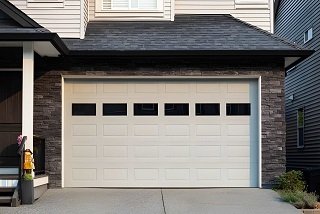
Utah winter weather turns a simple daily task like opening your garage door into a real test for your springs and opener. Temperatures across the Wasatch Front regularly drop below freezing for weeks at a time, and that cold puts real strain on the metal parts inside your garage door system. Steel contracts as it gets cold, lubricant thickens, and springs carry extra tension just to lift the same door they handled easily in summer. This guide answers the questions Utah homeowners ask most about cold weather and garage doors, so you know what to watch for before a small issue turns into a stuck door on a freezing morning.
Why Does Cold Weather Affect Garage Door Springs So Much?
Your garage door springs carry the full weight of the door, and steel behaves differently as temperatures drop. Understanding this helps you catch warning signs early.
Metal Contracts and Tension Shifts
Springs are made of steel, and steel contracts as temperatures fall. Even a small shift in the metal changes how tension spreads across the spring, which can make the door feel heavier during the first few inches of travel.
Cold Puts Extra Strain on Worn Springs
A spring that already shows wear faces added stress once winter arrives. Cold weather does not create weak springs on its own, but it often exposes damage that was already building underneath the surface.
Watch for these signs during Utah’s coldest months:
- A door that feels heavier than usual when lifted manually
- Groaning or grinding sounds during opening or closing
- A door that opens partway then stalls
- Visible gaps or stretching in the spring coils
How Does Cold Weather Affect Garage Door Openers?
Your opener works alongside the springs, not instead of them, and cold weather adds strain to both parts of the system at the same time.
Thickened Lubricant Slows the Motor
Grease and other lubricants thicken in freezing temperatures, which increases friction on rollers, hinges, and tracks. Your opener motor has to work harder to move a door that suddenly feels stiffer than usual.
Frozen or Fogged Sensors Cause False Readings
Photo eye sensors near the bottom of your door track can fog over in cold, damp conditions. When this happens, your opener may think an object blocks the door even when nothing is there, which stops the door from closing.
Battery and Electrical Components Feel the Cold Too
Openers with battery backup systems can lose charge faster in freezing temperatures. Wiring and electrical connections can also become less reliable as the cold sets in.
Here is a quick breakdown of common cold weather issues and what usually causes them:
| Symptom | Likely Cause |
|---|---|
| Door feels heavy or uneven | Contracted or worn springs |
| Door moves slowly | Thickened lubricant on tracks and rollers |
| Door stops or reverses randomly | Fogged or frozen photo eye sensors |
| Opener struggles to start | Battery drain or brittle wiring |
| Door frozen at the bottom | Snowmelt or moisture refreezing under the panel |
What Can You Do to Protect Your Garage Door This Winter?
A few simple habits go a long way toward keeping your garage door working through a Utah winter.
- Apply a silicone based lubricant to springs, rollers, hinges, and tracks before the first freeze
- Wipe photo eye sensors with a soft cloth if the door refuses to close properly
- Clear snow and puddles away from the base of the door to stop refreezing
- Check weather stripping along the bottom and sides for cracks or flattening
You can find general safety and maintenance guidance for residential garage door systems through the International Door Association, an industry group that supports homeowner education on door and opener care.
When Should You Call a Professional Instead of a DIY Fix?
Some cold weather issues call for a trained technician rather than a homeowner fix.
- The door feels uneven or lopsided when lifted manually
- You notice a stretched, gapped, or visibly damaged spring
- The opener runs but the door does not move
- The door slams shut instead of closing smoothly
Garage door springs hold a large amount of tension, and attempting a spring repair without training can lead to injury. Leave spring replacement and major opener repairs to a licensed technician.
How Do You Prevent Repeat Cold Weather Problems Each Season?
A yearly maintenance routine keeps small issues from turning into full replacements.
- Schedule an inspection before the first hard freeze each fall
- Test your door’s balance by disconnecting the opener and lifting it by hand
- Replace worn weather stripping before winter, not after a door freezes shut
- Keep a small supply of silicone lubricant on hand for quick touch ups
Homeowners who stay ahead of these steps typically face fewer surprise breakdowns during Utah’s coldest stretches.
Final Thoughts and Your Next Step
Cold Utah winters put real strain on garage door springs and openers, from contracting metal to fogged sensors and thickened lubricant. Regular maintenance, quick sensor checks, and attention to how your door feels when lifted by hand catch most problems before they turn into a stuck door on a freezing morning. Leave spring repairs and major opener issues to a trained professional who understands the tension these systems carry.
Ready to get your garage door ready for winter? Visit TGDS4UT to schedule a maintenance check or repair with a team that understands Utah’s cold weather challenges.